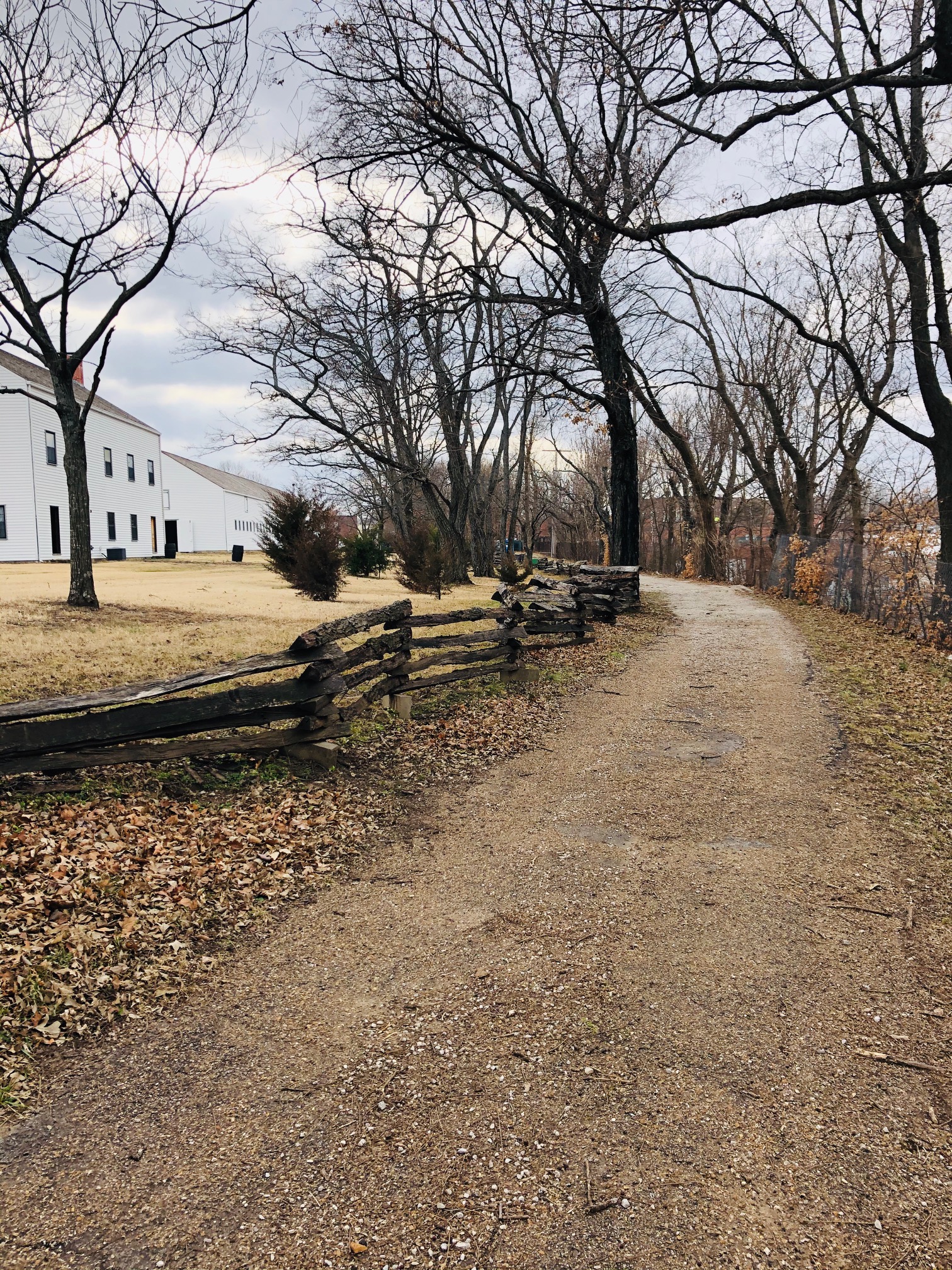
Every Sunday morning, my husband and I take a walk through our local city park in Bolivar, Missouri. Near the back of the park acreage is this idyllic scene in the pictures above.
I’ve always thought this scene was especially pretty, although I’m not sure why there’s a lectern facing the trees. Perhaps the trees need a “talking to” every so often?
The idea struck me to take a photo of this setting, and then on each subsequent Sunday morning at about the same time, take another and add it to the post. Doing this would allow us to watch the seasons change in a minuscule amount from week to week.
Observe the fairest of the seasons…
If you’re like me and believe that fall is the fairest of the seasons, bookmark this post and then check back every week, clicking your refresh button to see the latest photo that’s been added.
Thanks for reading! Feel free to click like and become a follower for more posts.
Every Sunday morning, my husband and I take a walk through our local city park in Bolivar, Missouri. Near the back of the park acreage is this idyllic scene in the pictures above.
I’ve always thought this scene was especially pretty, although I’m not sure why there’s a lectern facing the trees. Perhaps the trees need a “talking to” every so often?
The idea struck me to take a photo of this setting, and then on each subsequent Sunday morning at about the same time, take another and add it to the post. Doing this would allow us to watch the seasons change in a minuscule amount from week to week.
Observe the fairest of the seasons…
If you’re like me and believe that fall is the fairest of the seasons, bookmark this post and then check back every week, clicking your refresh button to see the latest photo that’s been added.
Thanks for reading! Feel free to click like and become a follower for more posts.
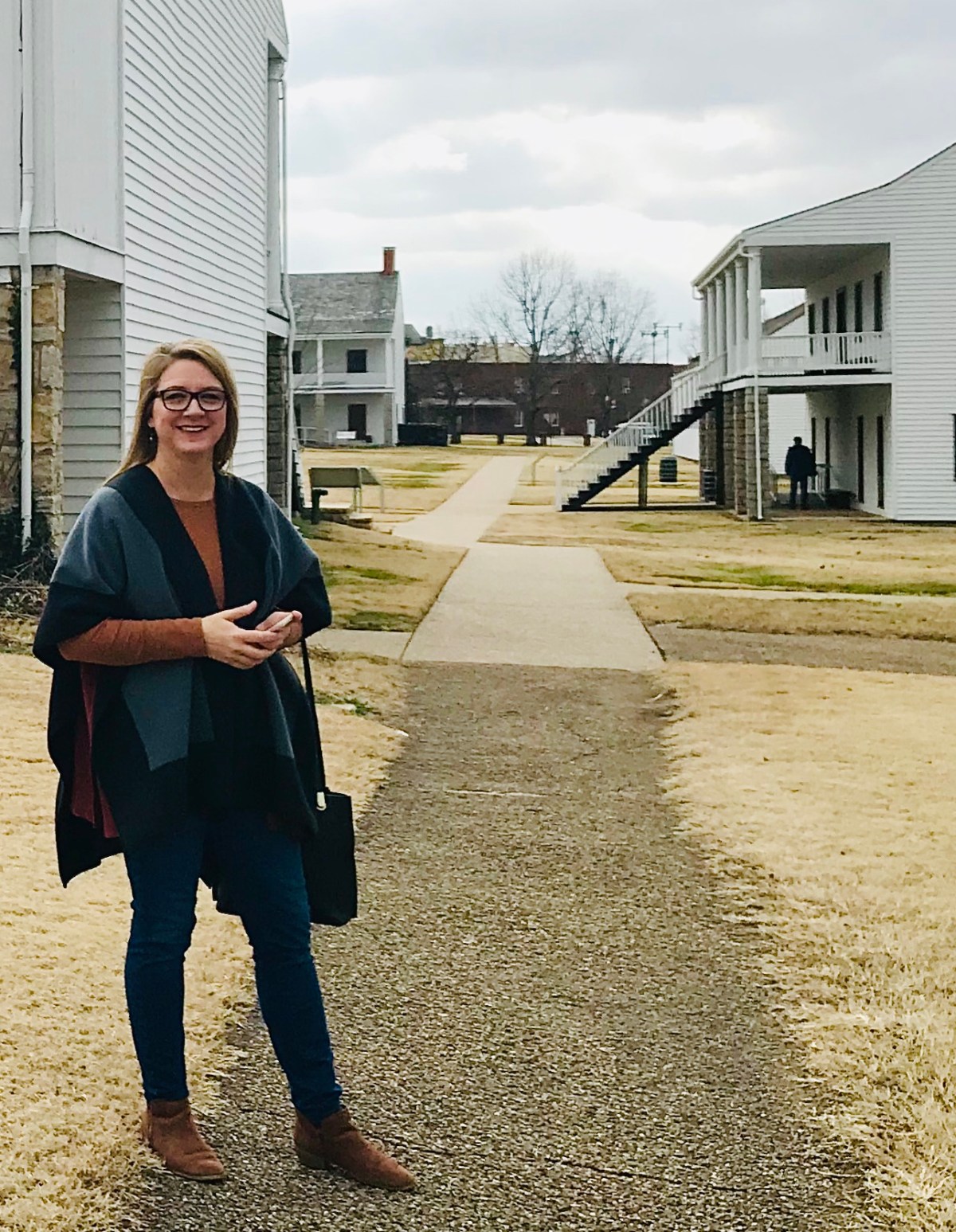
Above: The dark buildings straight down this path include retail shops, restaurants, and a senior services center. During the fort’s early years as a frontier outpost, the view down this path would have included only empty open prairie.
Photos and fun facts from Fort Scott National Historic Site
Over the Christmas holidays, my daughter and I visited my hometown, Fort Scott, Kansas (pop. 8,000) in the southeast corner of the state. While there, we decided to visit what locals call “the fort” — Fort Scott National Historic Site.
During my growing up years, I toured the fort numerous times, and my daughter had taken the tour when she was little. Even so, we were both up for a refresher tour of the fort that, in 1853, was closed by the time it was truly needed about ten years later.
According to American Heritage, “…the fort was a very peaceful place in its first years, sending escorts on occasional excursions West and troops to the Mexican War but seeing no action whatever nearby. In 1853 so little was happening that the fort was abandoned, its buildings sold. More bad luck: This happened just in time for Bleeding Kansas, the civil war that preceded the Civil War, when a fort here was truly needed.”
Yes, timing is everything.
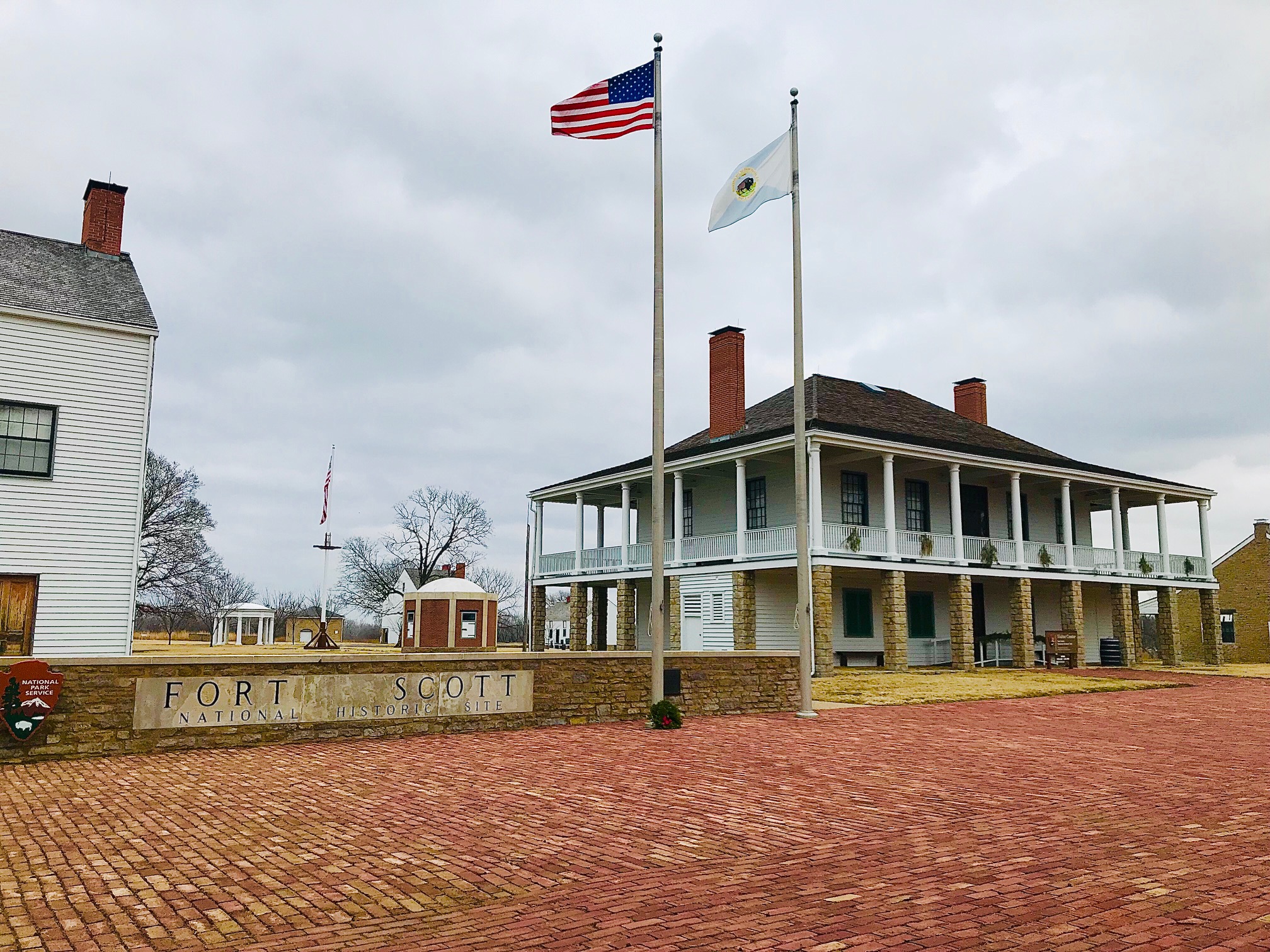
The hospital building at right contains the visitors’ entrance and gift shop on the lower floor. The upper floor contains medical exhibits, including a sick ward, and a multi-media theater.
We visited the fort on Thursday, January 2, and it was obviously a slow day for tours. We arrived at the entrance at 1 p.m. Park Ranger Laura Abbott was gearing up to conduct a tour that would begin in about five minutes, so we decided to wait a few minutes and then take a tour that she told us would last about one hour.
Since no one else was waiting in the visitors’ center, we enjoyed a private tour with Abbott. It was nice to be able to take our time and experience a more personalized tour than we would have experienced in the busy season. Plus, I was able to ask lots of questions and re-learn lots of forgotten facts, such as…
Fort Scott was established in 1842 and was one of a line of nine forts from Minnesota to Louisiana that promised a “permanent Indian frontier.”
Fort Scott served as a major supply depot for the Union armies and a hospital
Fort Scott also served as a refuge for people fleeing the war, such as displaced Indians, escaped slaves and white farmers.
Kansas entered the Union as a free state on Jan. 29, 1861.
The 1st Kansas Colored Infantry was sworn in at Fort Scott. “This was one of the first African American regiments to engage Confederates in combat,” according to the National Park Service’s Fort Scott brochure.
The fort became a national historic site in 1978 after decades of random use and misuse, and the kind of neglect that just happens with old, always-been-there structures.
These photos follow the route we took through the seventeen-acre historic site. The last building we toured was the Western Hotel, located just north of the large, square hospital, contains new interactive displays with video interviews with historical characters. Scroll to the bottom of this post to see two of those videos.
This gift shop and book store is located inside the Visitors Center, which is located on the first floor of the hospital building. The hospital is shown in the top photo. Free tours start here.
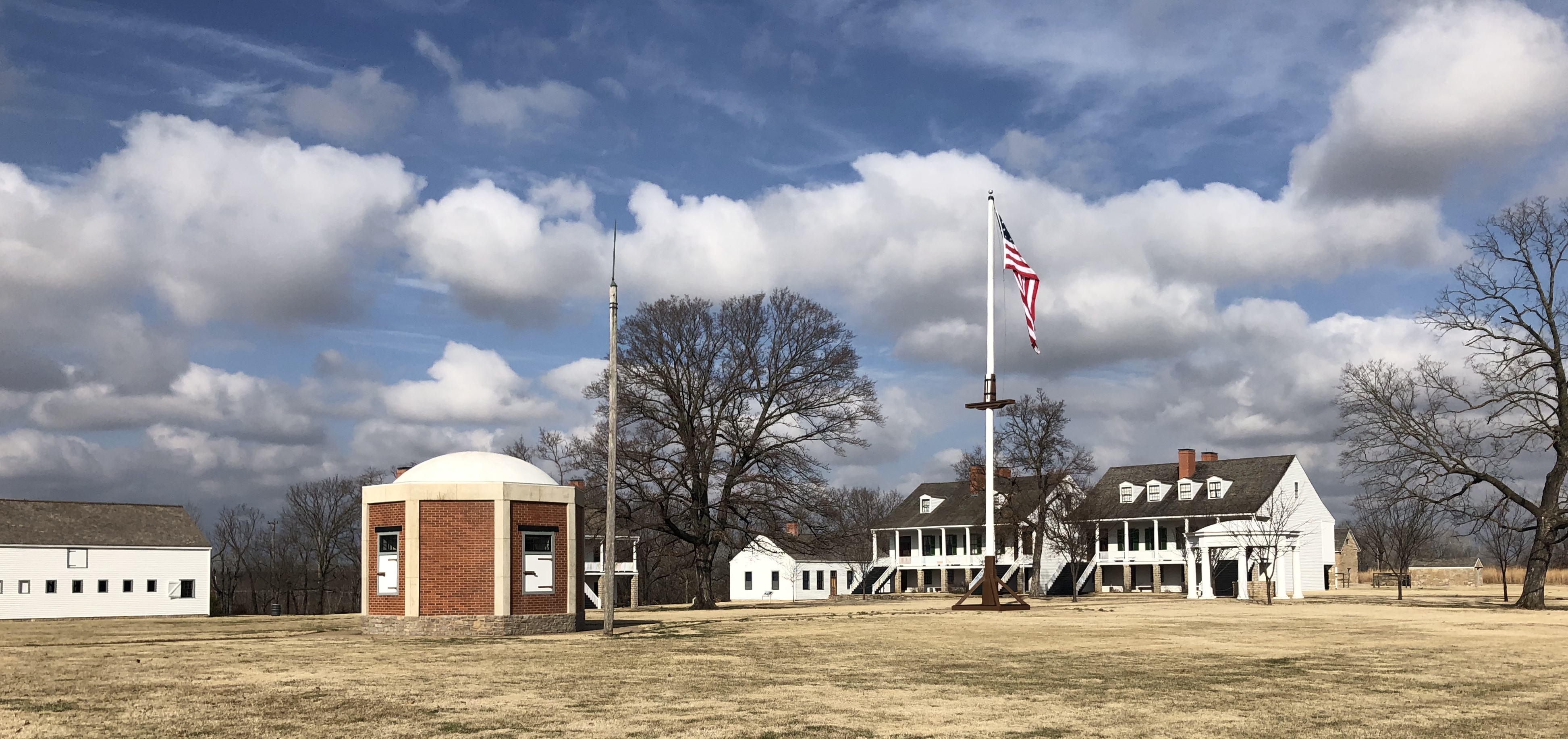
When we began our tour, the skies were bright with clouds and sun. Officers’ Quarters No. 1 and No. 2 are shown in the distance. Dragoon Stables are on the left. The Gunpowder Magazine stands at center left.
After its initial closure in 1853, the fort’s Infantry Barracks became the pro-slavery Western Hotel in 1855. The building in the distance on the right was the anti-slavery Fort Scott “Free State” Hotel. The fort would become caught up in the controversy over whether Kansas would become a free or slave state during the Bleeding Kansas years before the war.
Let’s start the photo tour…
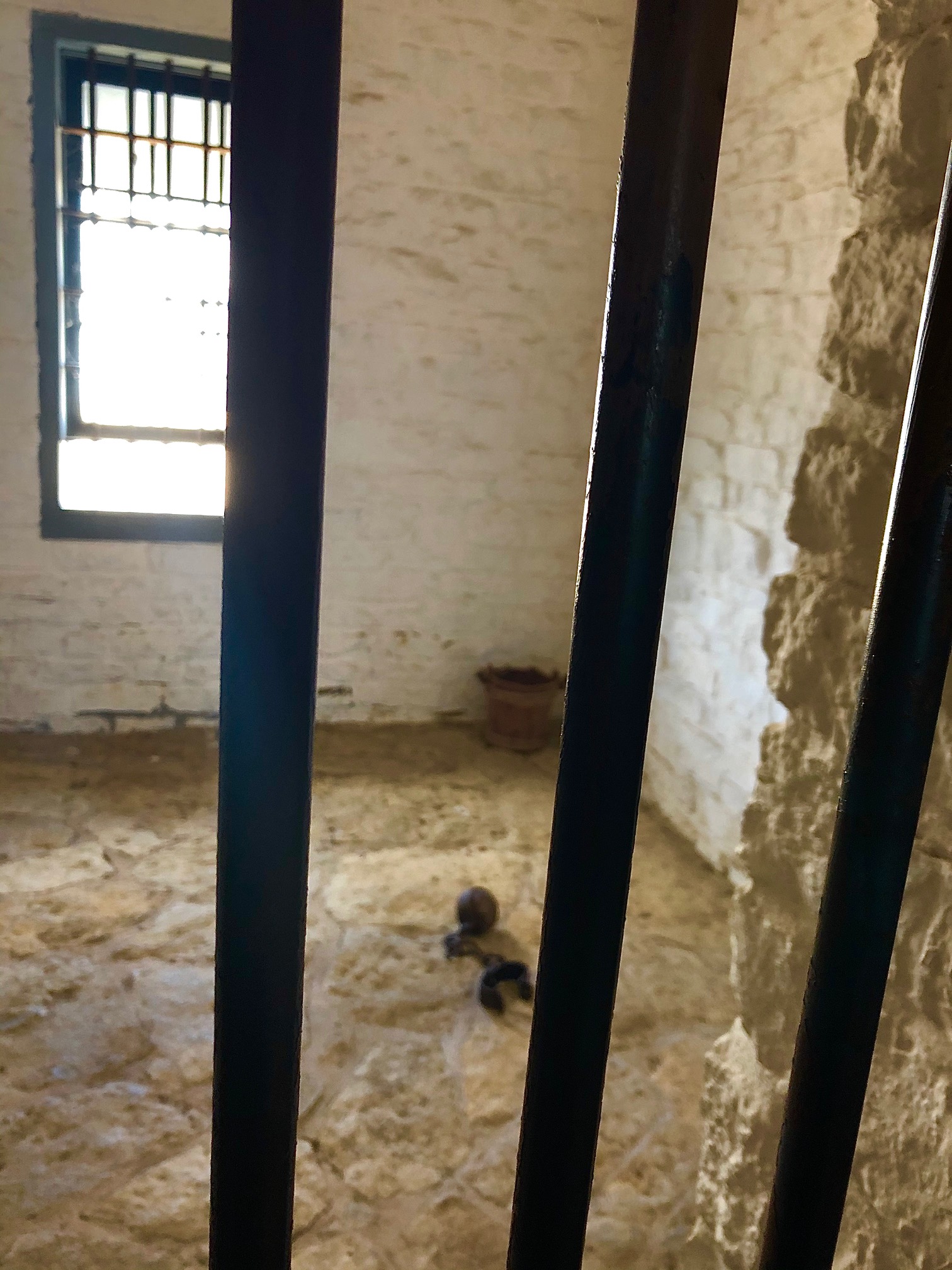
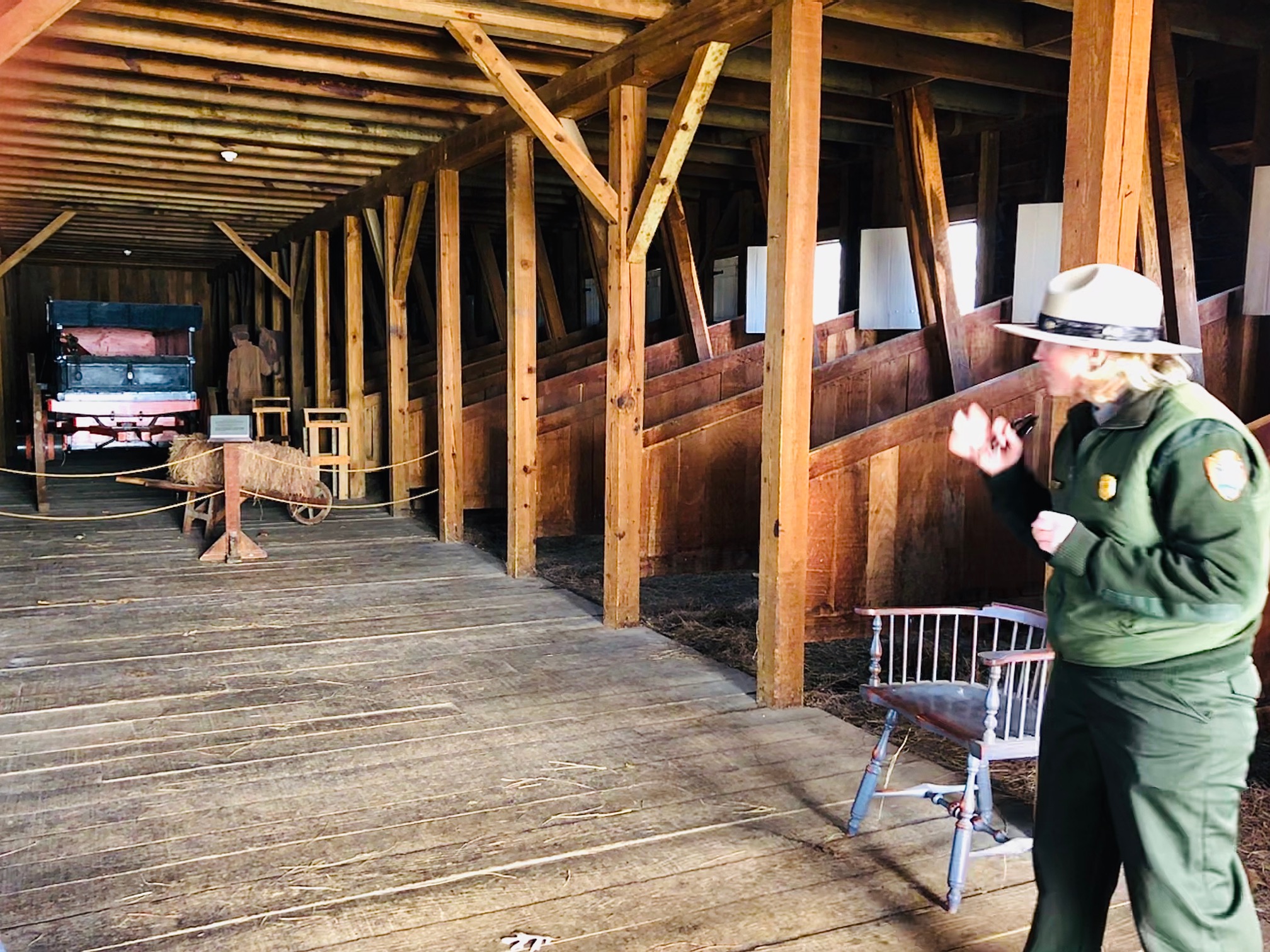
The Guardhouse, located right next to the Visitor Entrance, was where soldiers were stationed to receive arriving visitors, who could even sleep overnight on wooden shelving. The stone house was also used to discipline criminals in cells such as this one. Ranger Laura Abbott shows us the Dragoon Stables…
Did you know that the colors of horses were used to identify army regiments?
…and the Dragoon Barracks’ mess hall…
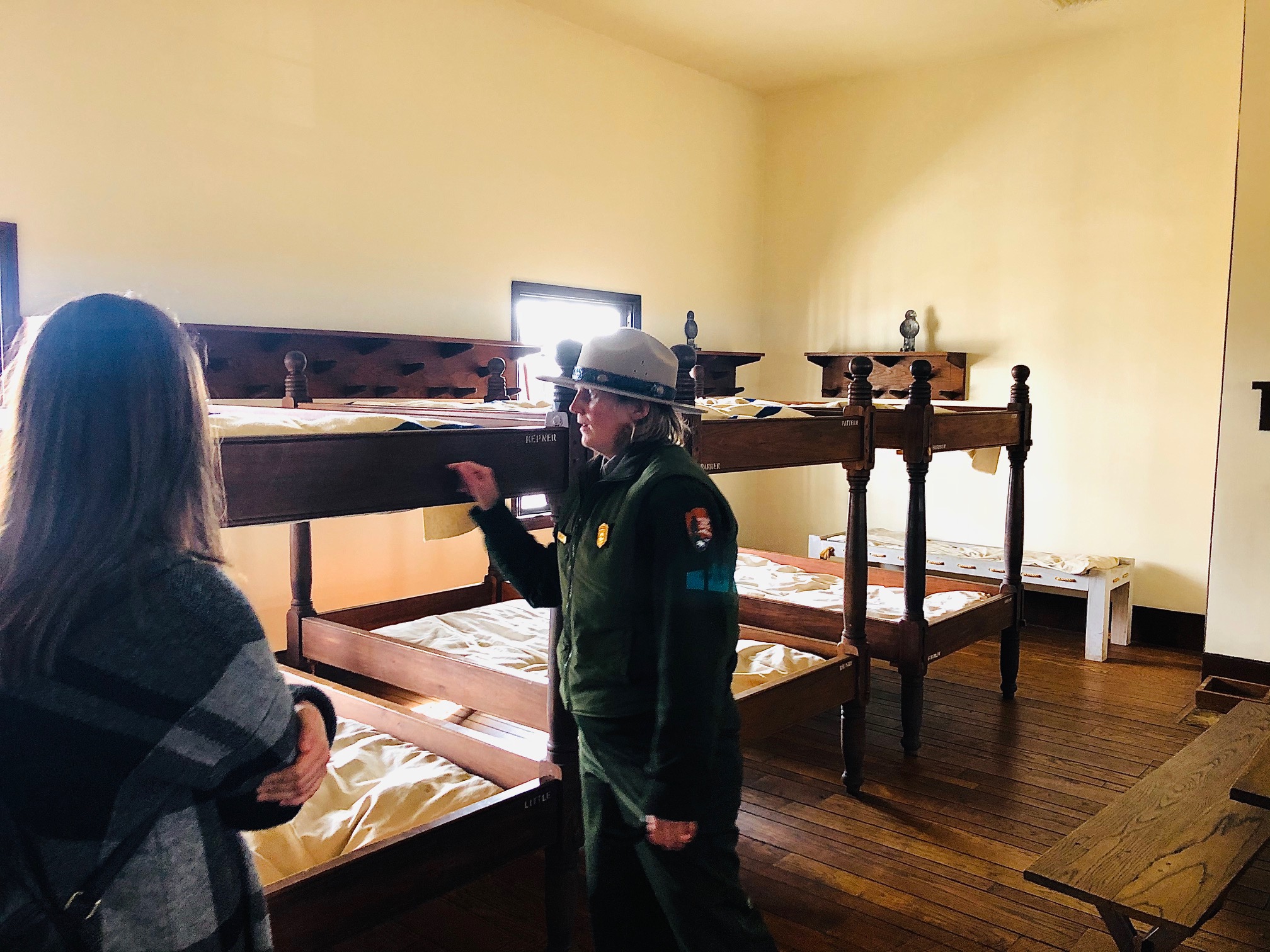
…with its kitchen……and the sleeping dorms upstairs. Enlisted men slept in the bunks, while non-commissioned officers slept in the narrow gray cot along the wall near the fireplace.
Four enlisted soldiers shared each bunk bed. Yes, two men slept on each mattress. The beds were labelled with their names, which I’ve circled on the photo above.
Did you know four men shared one bunk bed in the sleeping dorm?
The laundresses worked and stayed in this room down from the mess hall. These quarters contained a bed on the opposite wall (not shown).
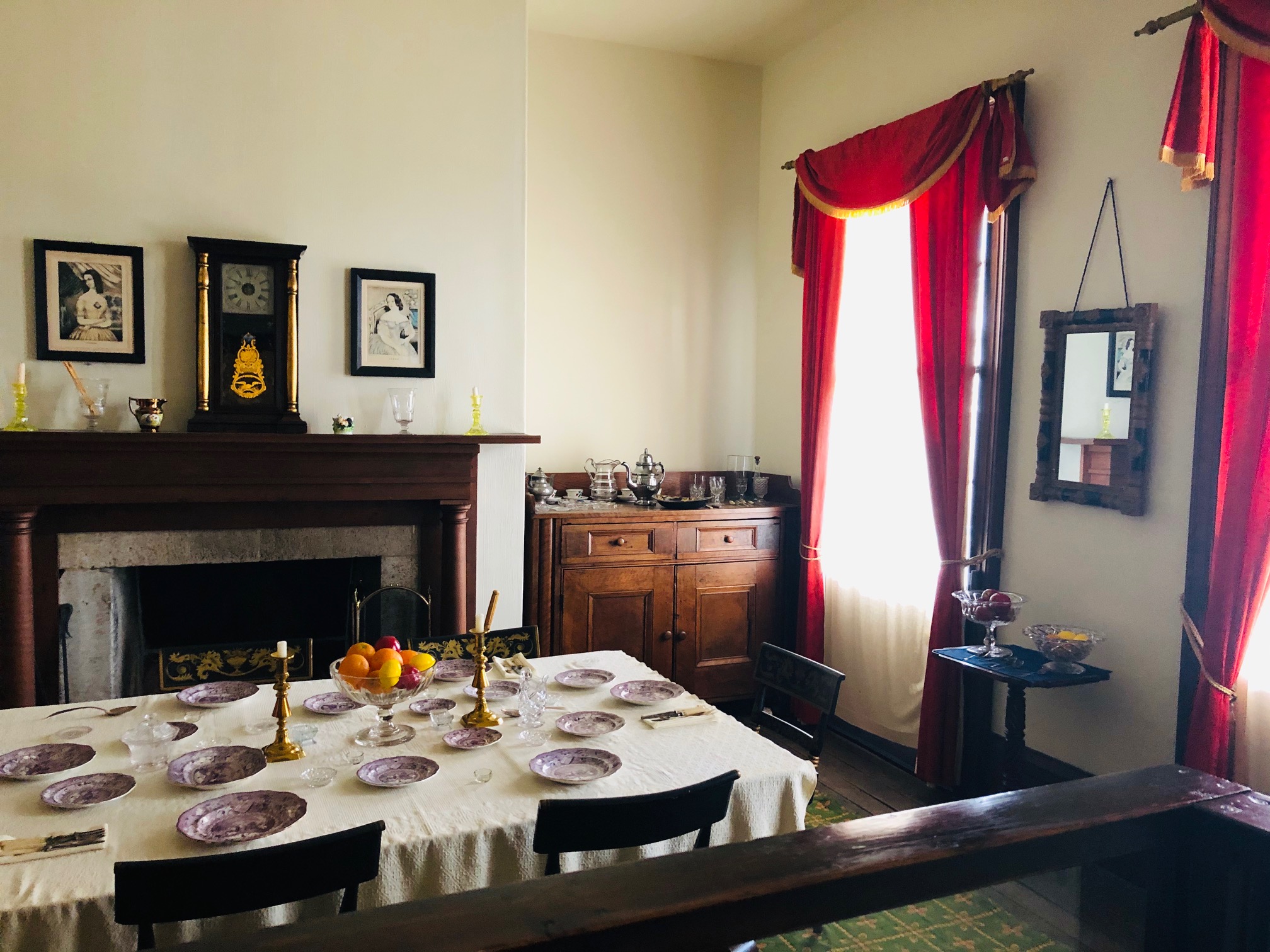
Park Ranger Laura Abbott leads the way to Officers Row.Inside the residence of Captain Thomas Sword, family and guests were entertained in these second floor rooms. The building contained three floors.The parlor at Captain Sword’s residence on Officers Row.On the third floor, the Sword’s clothing is laid out.The Sword Family enjoyed a large front porch view of the entire fort grounds.The Quartermaster’s Storehouse contains food and other basic supplies on three levels, including a totally dry stone basement.The Quartermaster Storehouse kept basic food supplies.
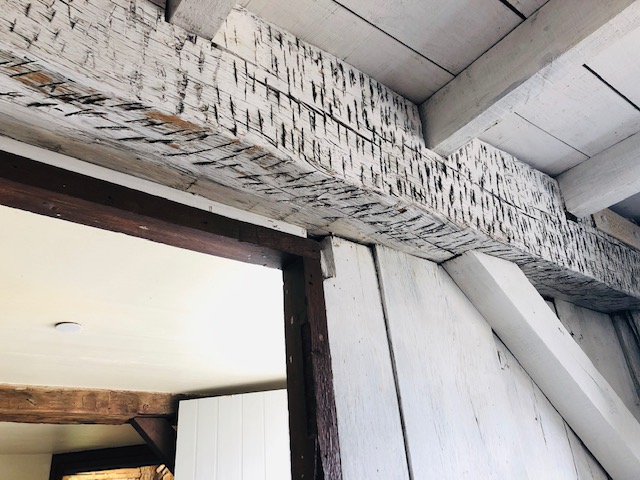
The marks of a diligent craftsmen’s hewing marks still show themselves today in the storehouse.
Audio narrations are available when you dial the number shown on cards at many points across the grounds.
Inside the Bake House, large ovens provided bread on a daily basis.
Did you know the army didn’t issue bread recipes until the late 1800s and that men were not allowed to eat fresh bread? Stale bread was thought to be better for digestion, according to a placard in the Bake House.
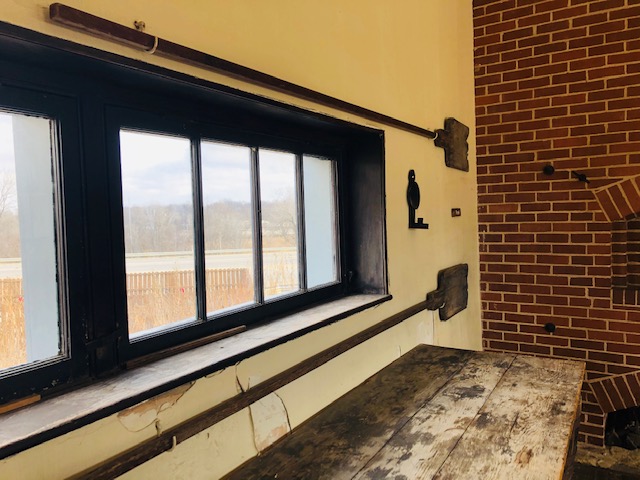
Wooden spatulas needed to be long enough to extend through the entire ovens to pull out the bread.
A tallgrass prairie trail shows what the area surrounding the fort would have looked like.
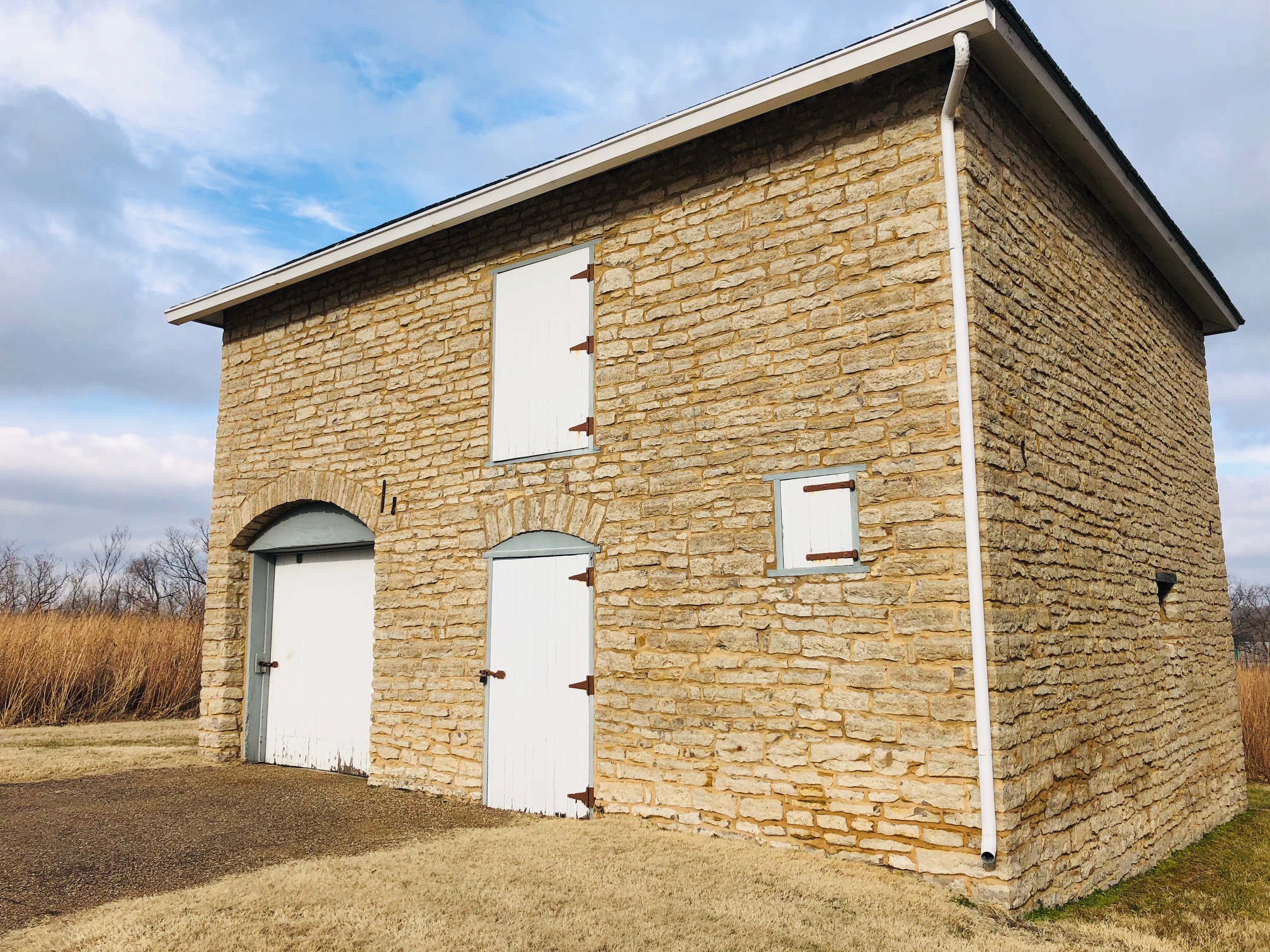
Near the tallgrass prairie trail, you’ll see several tidy stone structures used to house carriages and other vehicles.
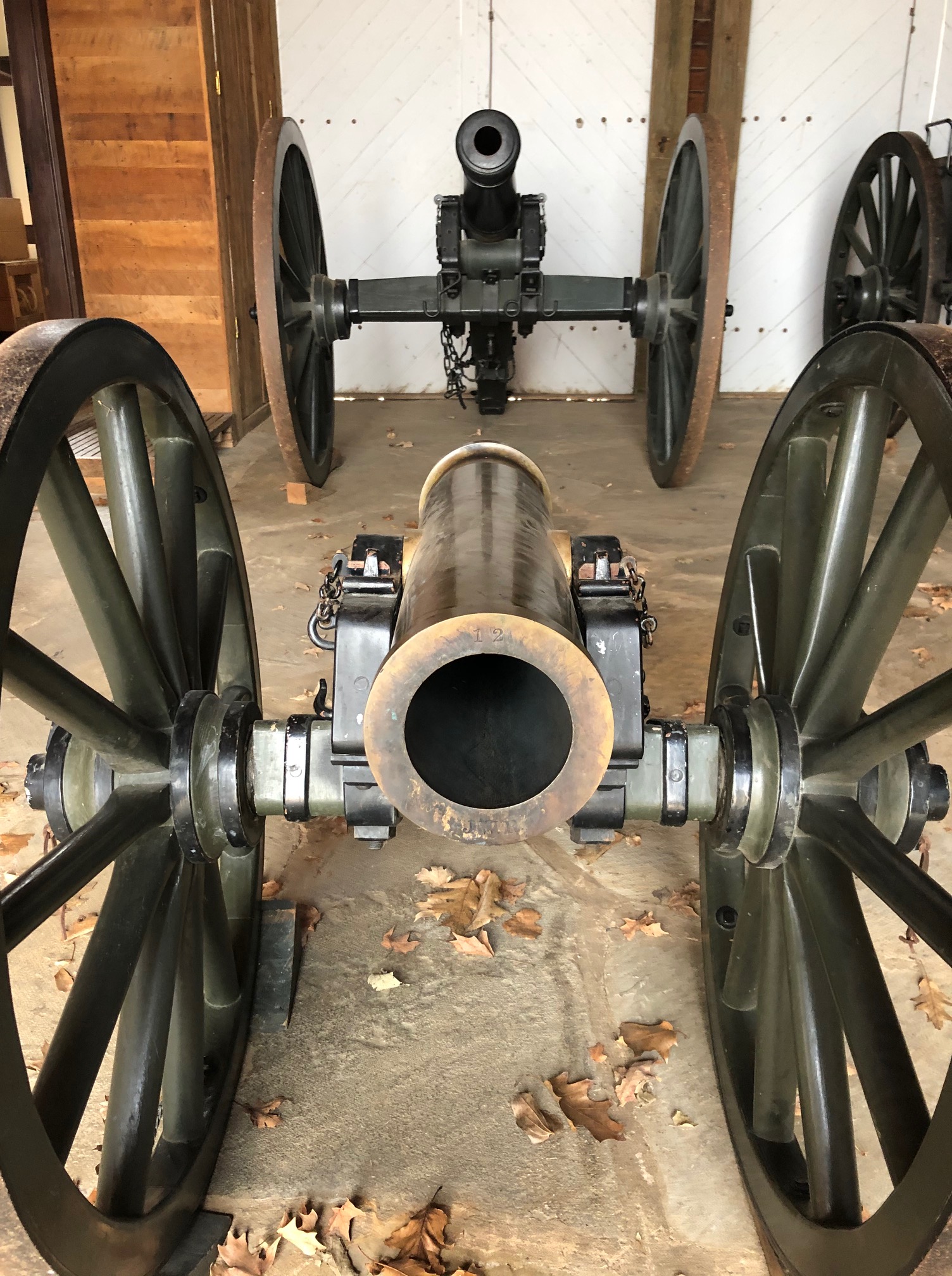
Howitzer and artillery cannons stand quietly in the Post Headquarters.
Did you know that a howitzer was carried in three pieces by donkeys? It could be reassembled and fired within one minute, according to a placard inside the Post Headquarters.
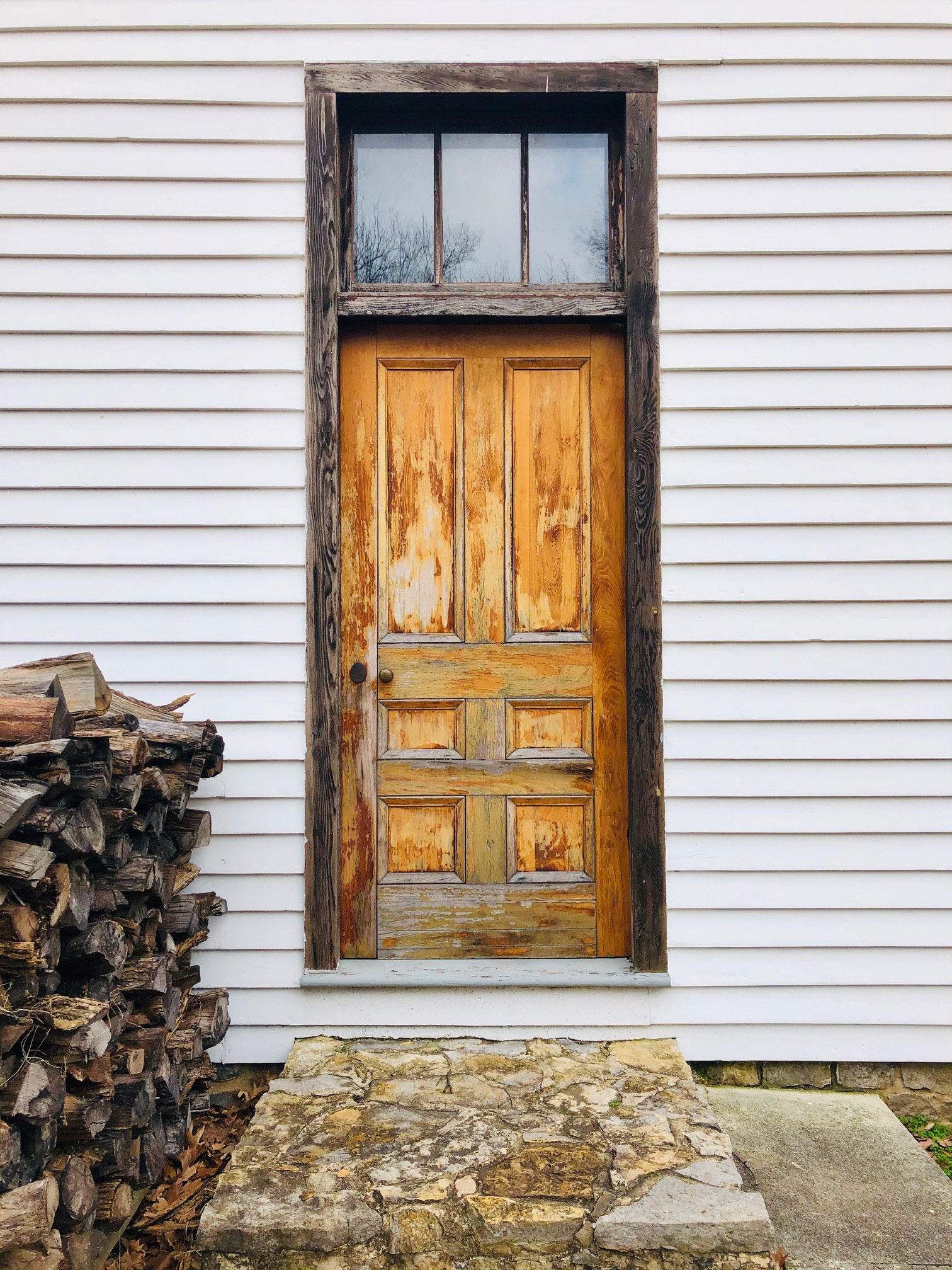
Artillery notes and inventories decorate the wall in the Post Headquarters.The backdoor and transom windows of the Post Headquarters make a nice picture, I think.The backside of Officers Row looks nearly identical to the front side.A perimeter walking trail borders the northern edge of the grounds. The banks of the Marmaton River are just a short distance further north of this trail. The river formed a protective boundary for the fort, eliminating the need for walls on Fort Scott, Abbott said.
This structure is not identified on the park’s brochure and I didn’t ask the ranger, but if memory serves me right, it is a replica of the original well house.
The ammunition magazine, a round brick building isolated in the middle of the fort, stored gunpowder. Notice the lightning rod (circled in red) placed precisely to keep lightning away from the explosives inside the structure……like these.The upper floor of the hospital building, shown here, houses a sick ward and medical equipment and supplies.
Did you know that many soldiers left the hospital in worse shape than when they entered, due to ignorance about sterilization?
According to a placard in the Fort Hospital, “In threading the needle for stitches, it was customary to point the silk by wetting it with saliva and rolling it between the fingers.”
Abbott invited us to visit in early December to attend an annual candlelight Christmas tour of the fort.
Inside the Infantry Barracks, new displays and exhibits bring tourists back to the past when these areas composed Bleeding Kansas, a region torn between Union and Confederate causes and beliefs.
Interviews with a variety of area residents speak directly to you in these video displays inside the Infantry Barracks. Here are two previews of the video exhibits.
New displays and interactive exhibits keep visitors involved and learning.
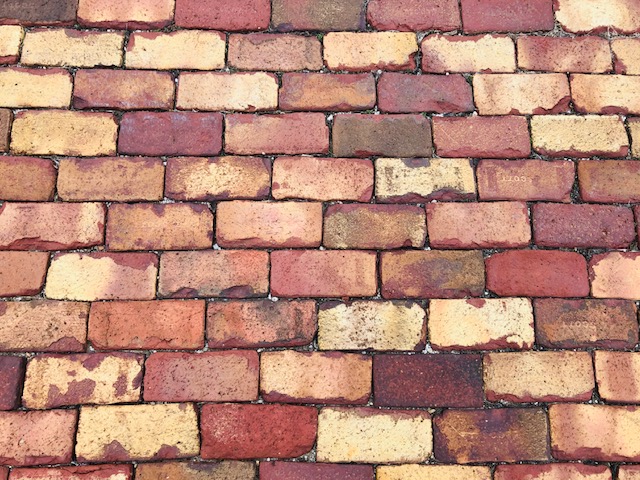
Believe it or not, these bricks cause controversy in my hometown. Many people don’t like to drive on the rough, loud, and bumpy brick-paved streets.
Fort Scott National Historic Sites owes its existence to Congressman Joe Skubitz, who served the local constituency from 1963-1969, and saw to it that this area be turned back into a historical tour destination.
Park Ranger Laura Abbott wraps up our tour near the Bake House. Before moving to Fort Scott, she worked as a Park Ranger on the National Mall in Washington, D.C.
Stop in at Fort Scott National Historic Site the next time you’re in southeast Kansas. Thousands of people cruise right by Fort Scott on U.S. Highway 69, which bypasses the town, as they make their way north to Kansas City (about an hour and a half away) or to points south. Plan out your itinerary to take a tour or just walk across the grounds; it would make a nice break on your journey. After all, timing is everything.
Thanks for reading! Touring the fort took about an hour and a half and was a great way to spend part of an afternoon. Also, it reminded me how fortunate Fort Scott, Kansas is to have this important historic site preserved and honored here.
A short afternoon outing west of Bolivar, Missouri
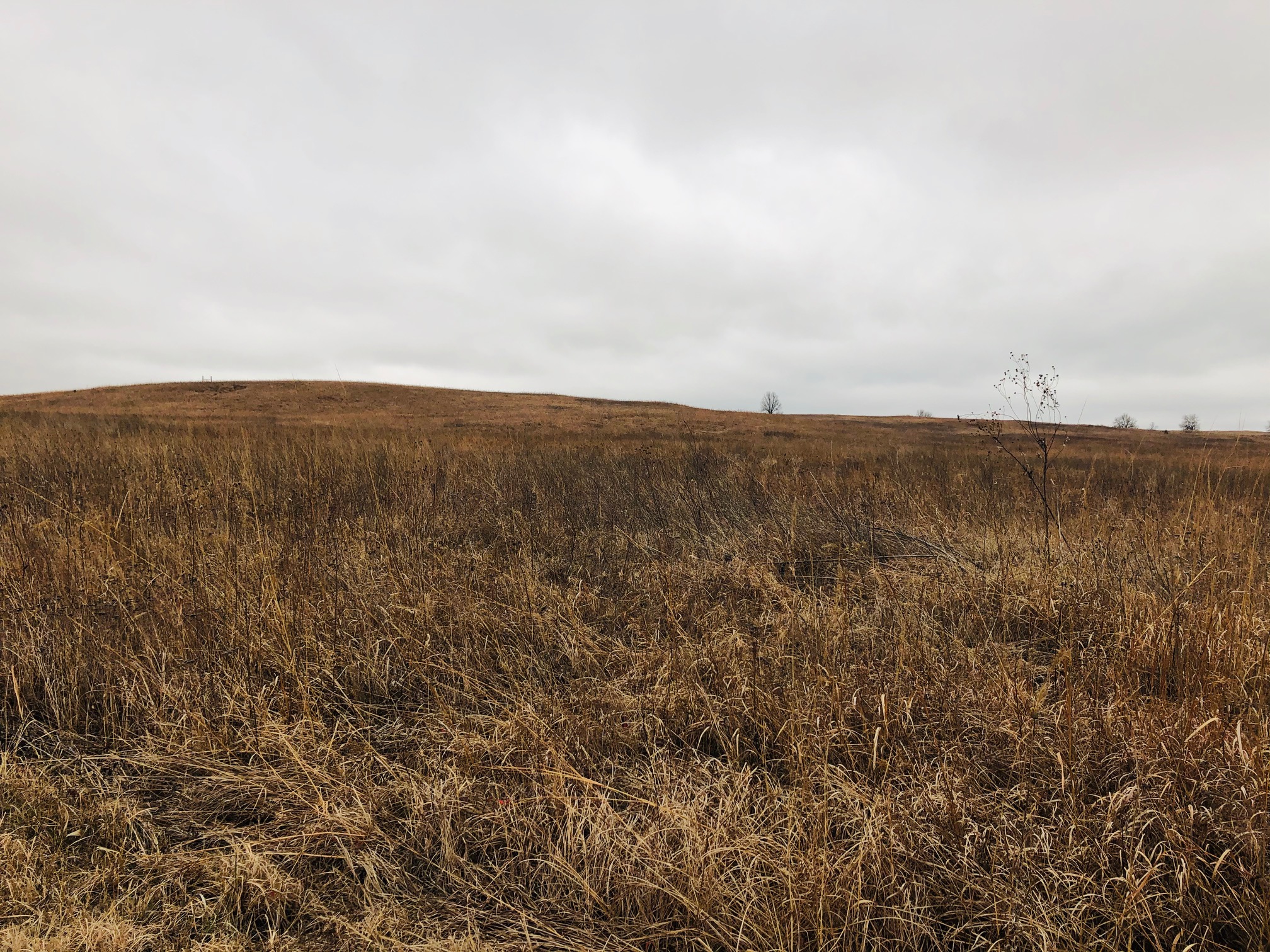
Today after lunch, my husband, daughter, son and I ventured out to La Petite Gemme Prairie just a mile or so west of Bolivar. My son told me recently about this nature preserve, but we hadn’t taken time to go see it until today. We decided to take a short jaunt out to see what we could.
And honestly, this is likely NOT the prime time of year to see this sight.
It takes a keen eye, an ability to notice subtle colors and textures, and an open mind as to what exactly constitutes beauty.
Must a landscape always contain exotic foliage, flaming sunsets, and towering mountains to be considered beautiful? Can the somber, drab colors of deep December reveal their own beauty?
I’ll let you decide as you peruse the shots I took as we walked the 37-acre preserve.
There’s a gravel parking lot sized for about four vehicles just in front of this sign. We parked here and then took out walking.Unspoiled prairie land…
For more background on the preserve, here are some details from the yellow informational sign that appears near the end of this post:
“The 37-acre area was purchased by the non-profit Missouri Prairie Foundation in 1977. It is owned by the MPF, and co-managed by the MPF and the Missouri Department of Conservation. A botanically diverse and scenic upland prairie on soils derived from shale and limestone, La Petite Gemme is a beautiful spot in which to relax and wander. The name is French for “the little gem” and recognizes the French influence on Missouri as well as the gemlike quality of the prairie wildflowers.”
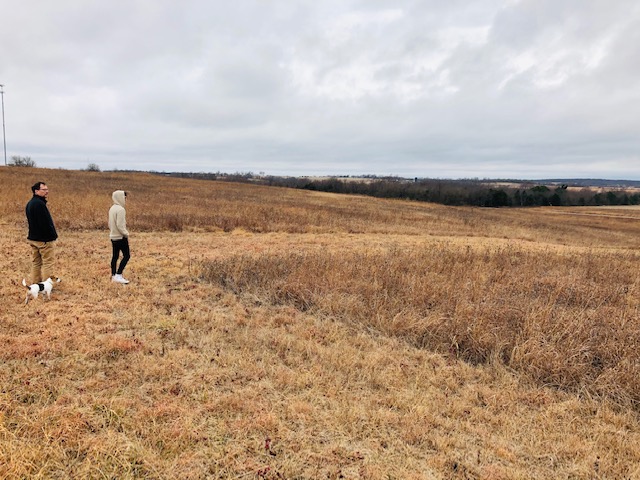
First, you walk up this mowed path to the top of the hill.The curly lines of these silver-hued leaves caught my eye.Francie, our Jack Russell-Rat Terrier, burned off some energy this afternoon.The dark dots positioned against the golden vertical lines of the grasses is a nice contrast.The color of these delicate leaves!
Here’s an impressive list of flowers and creatures that make this preserve their home. All of these are listed on the yellow sign that appears at the bottom of this post.
Here is the view of the countryside further west of Bolivar.
Once you’re at the top of the hill, the mowed path takes you back down to the other side.
These unspoiled prairie grasses grow off to the side of the path.
I love these roller coaster blades of grass that careen over, under, and around the tufts of native grasses.
Wild rosehips dot the walking trail.
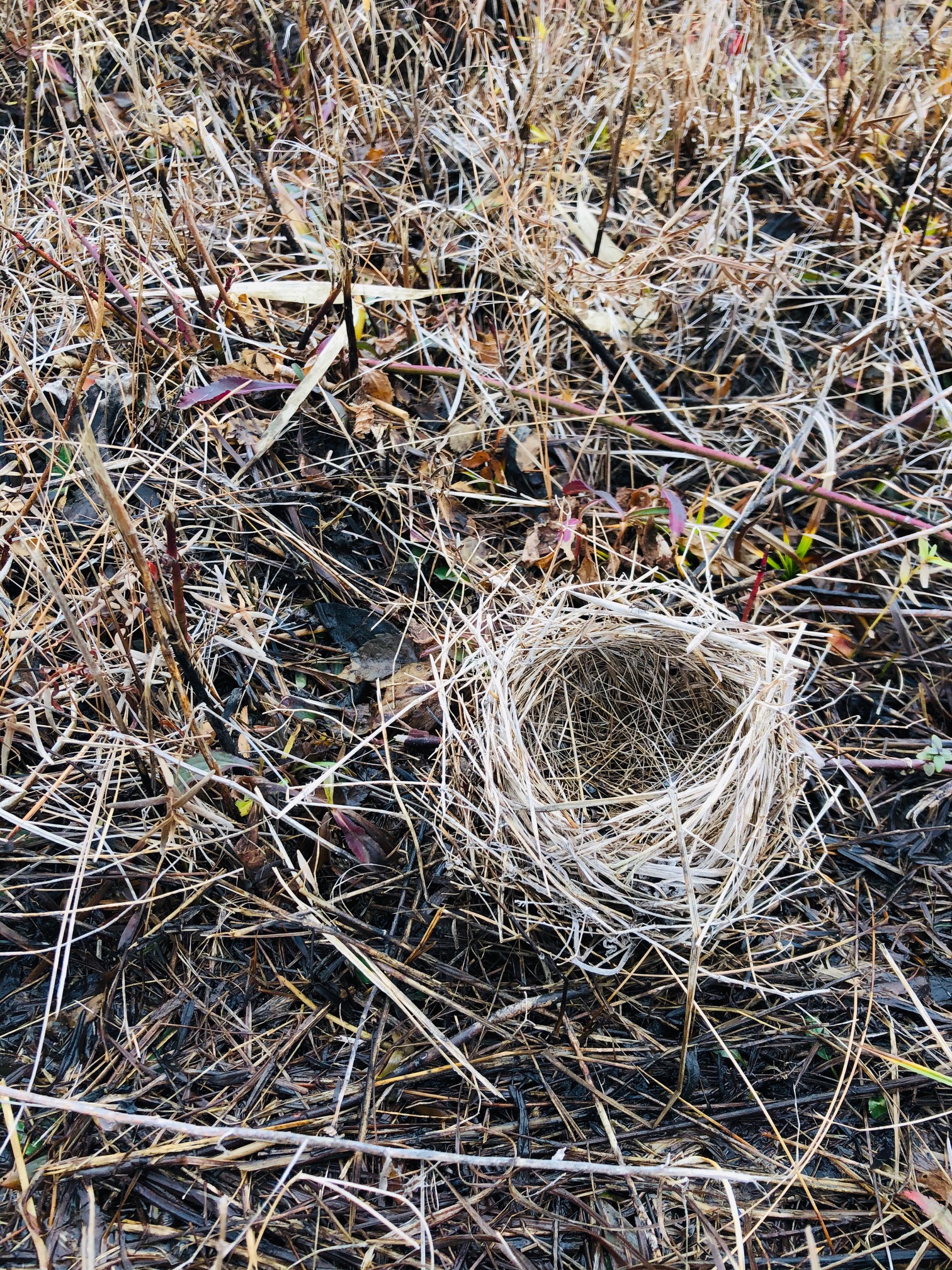
This nest appears to have been built in the middle of the path. Either it blew onto the path from a breeze, or this place sees little traffic this time of year. Either explanation sounds reasonable.
My daughter noticed this deer trail veering off from the walking path.
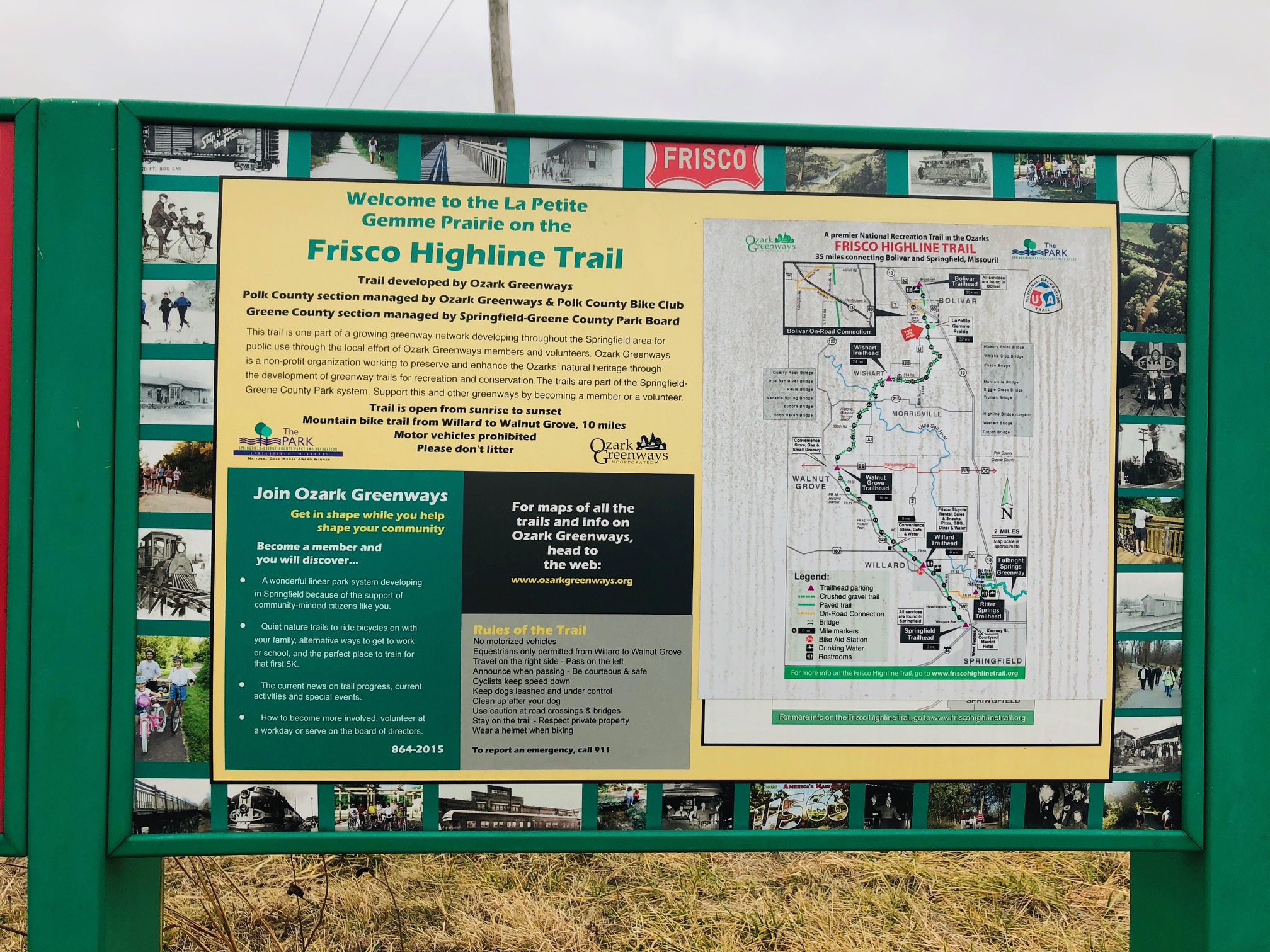
At the bottom of the hill, you’ll meet an asphalt path that travels north and south. It’s the Frisco Highline Trail, a “national recreation trail that connects Bolivar and Springfield, Missouri,” according to an informational sign along the trail. The trail is 35 miles long and follows the former Springfield and Northern Railroad tracks. The trail is managed by Ozark Greenways, a non-profit organization working to preserve and enhance the Ozarks’ natural heritage. Open from sunrise to sunset, no motor vehicles are allowed on the trail.
Ahhh, siblings!
Here’s a trail marker along the asphalt trail heading north.
These signs can be read as you approach the prairie from the north. Some close-up shots of the signs are below.
Signs provide information about the flora and fauna…
…of the native prairie.
I took this one final view after taking our walk through Le Petite Gemme Prairie.
Thanks for reading! It was a mild 65 degrees F when we started out for the prairie, but as we walked, the temperature cooled, the wind picked up, and as we loaded into the car, a misty rain settled in. Back home now, I can still hear the rain gently falling outside.
From a distance, she looks pretty good. But there’s more to her story.
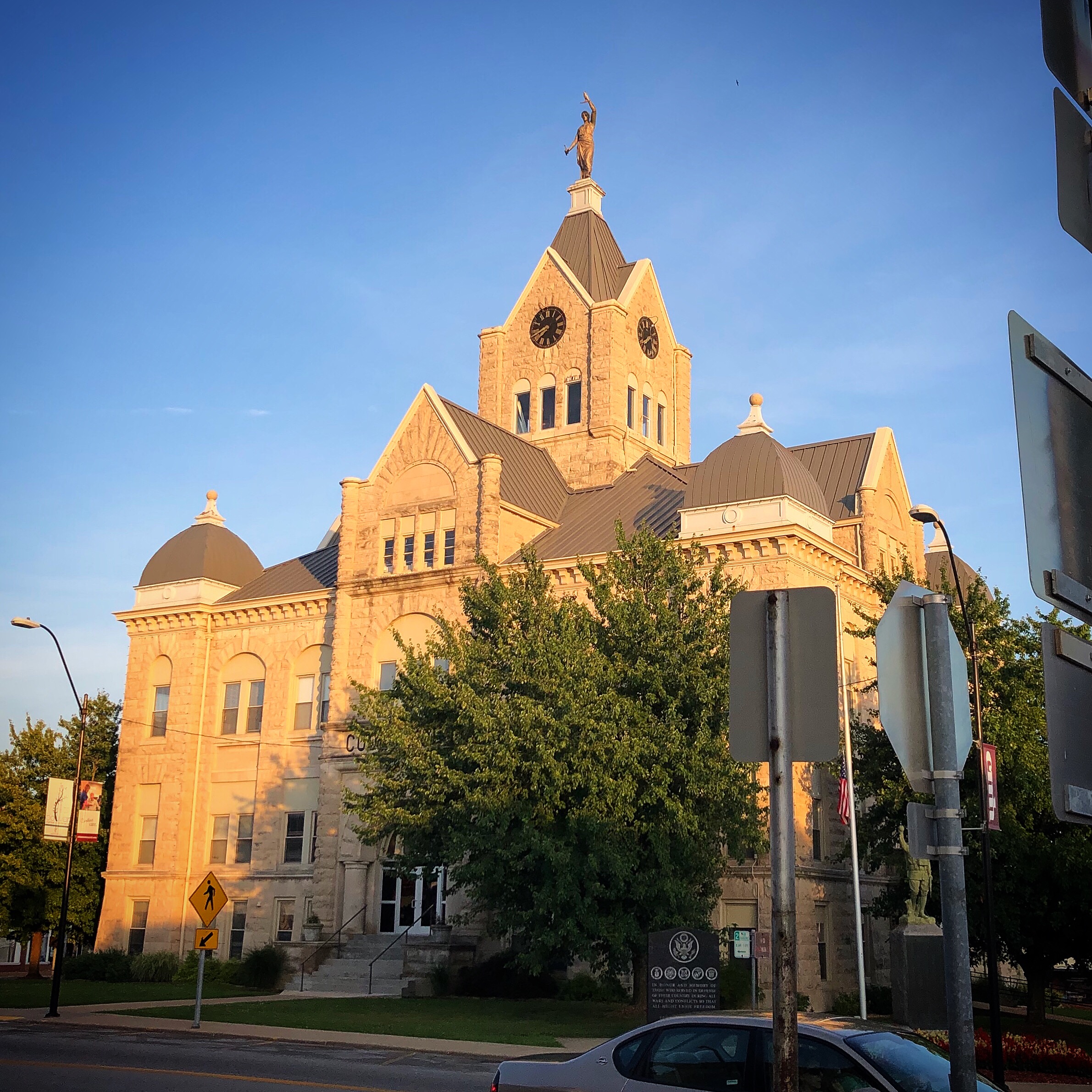
I took this photo last fall of the Polk County Courthouse in downtown Bolivar, Missouri. I’ve always thought the statue of Lady justice on top appeared unusually large. In fact, she is about thirteen feet tall (six feet shorter than the Statue of Freedom that tops the U.S. Capitol) and was placed on the building when it opened in 1907, according to the Bolivar Herald Free-Press. The statue is hollow and is supported by an 8-inch by 8-inch oak beam.
From a distance, she looks pretty good. But there’s more to her story.
In her earlier years, Lady Justice held a sword that was 5-1/2 feet long in her right hand. In her left hand were the scales of justice. Unfortunately, time and the elements have removed both.
In 2001, someone found the sword on the courthouse lawn; strong storms and winds had pulled it down. It had likely been weakened by a crack in one seam on the handle, according to this article. There are no plans to replace either the sword or the scales, since they are difficult to attach and maintain.
There are also no plans to fix other damages—such as bullet holes— to the statue. Long ago, pigeons perched on and around the statue and some locals decided to keep the birds in check. As a result, Lady Justice is riddled with holes, including one on a big toe that’s since been repaired, and another hole right between her eyes, a commissioner said.
So there Lady Justice stands… empty-handed, full of holes, and obscured by her great height. Yes, it’s lonely at the top.
Thanks for reading! You can travel around the world or you can travel in your own backyard. It’s how you look at what’s around you. Click “like” and become a follower for more travel stories.
Even if social media, widely available public Internet, and other similar technologies had existed, the hashtag #newyorkstrong would have been the last thing I would have wanted to hear or see on September 11, 2001. It simply wouldn’t have fit.
#newyorkstrong would have reduced the public reaction to the attacks to gimmickry. We would have been concerned and shocked, yes; however, however we would also have been visible, “on trend.”
On September 11, 2001, gimmickry didn’t exist. Instead, gimmickry withered in the face of…
Honesty.
Desperation.
Confusion.
Rage.
Impossibility.
Ferocity.
Powerlessness.
Now, eighteen years later, the memory of 9/11 fades. The shock subsides. And perhaps I’m beginning to understand the natural and receding course of painful tragedy.
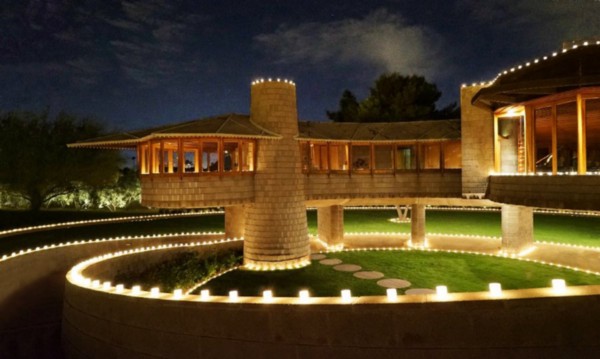
One day many years ago when we lived in Phoenix, my husband and I were invited to visit an acquaintance and her young daughter who happened to be occupying a house designed by the world-renowned architect, Frank Lloyd Wright.
While cruising down Camelback Road, we would often look up and scan the cactus-dotted hillsides to spot the house nestled in the rugged terrain. We would admire its unusual appearance with its exterior winding walkways, circular windows, and austere concrete block masonry. Wright originally designed the 2,300 square foot structure for his son, David, and his wife, Gladys. It was built in 1952.
The home was intriguing and beckoned a closer look, so we took up our friend’s offer one sunny afternoon to visit the home, whose design was named by the senior Wright, “How to Live in the Southwest.”
We’re not sure about the arrangement between the homeowners and our acquaintance. Maybe she was renting it or acting as a caretaker while the owners were away temporarily. We can’t even recall her name now.
Perched in the Camelback Mountains, the spiral home was indeed stunning and modern and magical.
It was also trashed.
Bedroom floors held oceans of wadded-up loads of laundry. Dirty dishes lined the kitchen counters. Smudges and stains sullied the bathroom mirrors and floors. Crumpled junk mail littered the hallways. We were dumbfounded.
All this disappointment obscured the home’s jaw-dropping features: an entrance preceded by a spiral walkway ramp, ubiquitous concealed built-ins, custom carpets, a rooftop deck, panoramic views of the rocky desert terrain, and Philippine mahogany ceilings, cabinetry, and furniture.
As we roamed through the home, with its desert views, calming circular design, and ingenious use of space, our acquaintance apologized for her poor housekeeping habits. “Oh, well… yeah,” we answered, laughing nervously, embarrassed for her—and the house.
A few years ago, I was curious about the status of the home and wanted to see what had become of it since our move to Missouri about a year after our tour. So I googled the house while my husband and I reminisced about our Phoenix experiences.
Yes, the house did survive that messy time. And many people today care about the newly named David & Gladys Wright House’s existence and condition.
After the Wright’s deaths in 1997 and 2008, concerned citizens protested the house’s demolition, which was planned by a developer who had purchased it. In 2012, a Las Vegas attorney devised a strategy to preserve and operate the home and grounds for tours and cultural performances. However, concerns about traffic and noise from the surrounding neighborhoods blemished the whole affair. Eventually, the home was donated to benefit Scottsdale’s The School of Architecture at Taliesin, formerly known as the Frank Lloyd Wright School of Architecture. However, those agreements have been abandoned. The home is now for sale for just under $13 million.
And to think our friend had trashed it all those years ago. How did she not revel in the structure that couched her every daily activity in architectural significance? Was she, like many of us, too distracted? Depressed? Too concerned with meeting daily obligations to notice? Too busy being human?
It’s understandable. Life happens.
But it’s still important to try to see the beauty in our midst. The beauty of a yellow leaf resting against a rusty brick sidewalk. The beauty of the intricate shell of a snail. The beauty of an architectural wonder your all-too-human eyes have become accustomed to.
Thanks for reading! Ever had a similar experience? Feel free to leave a comment or click “like” to show that this story resonated with you. Also—click follow or enter your email address to receive a notification when I publish a new post.
If travel writing is all about storytelling, then I’m in big trouble
This guy didn’t want to answer any of my deep questions. Photo: M. Yung
As a Midwesterner and an aspiring travel writer visiting the Big Apple over spring break, I wanted to use a trip to New York City to build my portfolio. Sounds easy enough, right?
However, good travel writing is all about storytelling, or so the big-time travel bloggers tell me. And in order to tell a story, one must fully immerse oneself in a new culture. One must talk with the natives, learn the local customs, and ask the hard questions. Y’know, the questions that reveal fresh cultural perspectives and which way is north.
Watch out world, my travel storytelling is gonna take off any minute based on the slew of revelatory conversations I generated with New Yorkers by asking them these five riveting questions:
Number 1: Where am I?
I asked this question of a 60-something man standing against a concrete column at LaGuardia Airport. I was trying to find the pick-up spot for the Uber I had reserved. “D Terminal. The lower,” he informed me before shifting his feet and looking away.
See what I mean? There’s good fodder for a story.
Number 2: How do we get to the ferry?
The 20-something construction worker rose from the barrel he was leaning against and walked toward us. I think I had interrupted the break he had been taking at the far west end of Huron Street in Greenpoint. He pointed one block down, toward India Street, just south of where we stood. “Go through all the construction, keep to the right, and you’ll get there,” he offered.
Can’t wait to build a ten-minute read off that one, I told myself.
Number 3: Why do you think I need a fork?
Just as I uttered this profound query, a rice noodle slinked off my chopsticks, splashing a drop of broth onto my glasses. The young waiter at Lao Ma Spicy in Greenwich Village had just walked by our table and offered me an alternative utensil. Apparently, I seemed to be struggling.
I mulled over his offer. My stomach rumbled. “Yes, that would be fine,” I said. I set down my chopsticks, blotted my glasses with the corner of my napkin, and waited for a fork to appear.
A travel tale for the ages, folks.
Number 4: Is this train headed south?
When I asked this head-scratcher, I had just become separated from my daughter as we headed back to our flat one evening. She had boarded the train; I missed it. Man, those doors move fast. So I hopped on another train on the opposite side of the platform. After finding a seat, I wanted to verify that I was indeed on the right bullet to Brooklyn. I asked an Orthodox Jewish man next to me; he looked up from his scriptures and confirmed that yes, the G train would take me south.
A novel will come from that encounter. I just know it.
Number 5: How do we get out of here?
After wandering around the subway maze that exists below Times Square, I posed this question to a man striding by in a navy blue uniform. He looked to the ceiling, waved his finger back and forth as if tracing some imaginary constellation and replied, pointing off in the distance, “Take that train to Court Square.”
Yet another meaningful exchange.
All right, maybe my conversations weren’t the kind to evoke rich and meaningful dialogues upon which to build fascinating tales of travel and intrigue. Oh, well. Maybe next time I’ll be able to focus on the people and places I’m experiencing instead of merely focusing on how to navigate public transit.
So, thank you, New Yorkers, for exploring my existential wanderings on street corners and in subway stations, and for not ducking away too quickly when you realized that I was just another tourist, confused, bewildered, and amazed at the city you know and love so well.
My daughter and I visited NYC for a week in mid-March. We asked questions when we needed to, just not ones that will give my travel writing the shot in the arm that it needs. It was a great trip, nevertheless. Feel free to leave a comment or follow my blog for more. And thanks for reading!
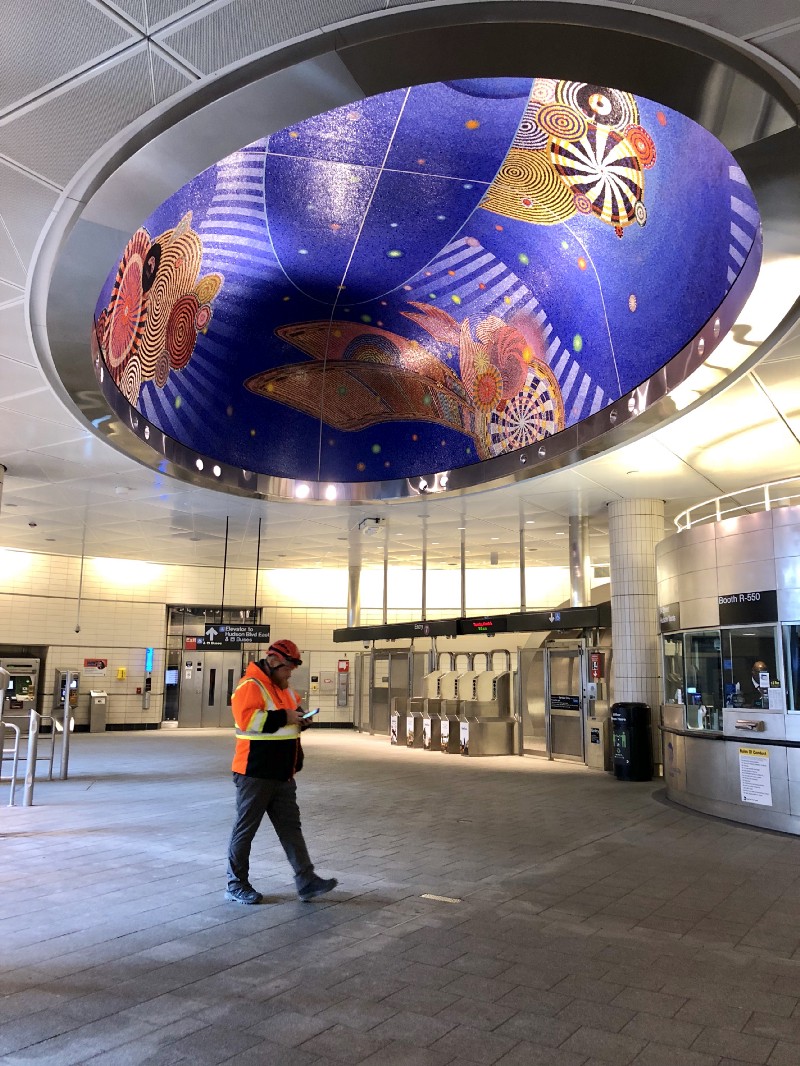
When you push against the turnstile to exit the subway at 34th St.-Hudson Yards in New York, you can’t help it. The brilliant cobalt of Funktional Vibrations snags your attention and stops you in your tracks. That’s okay. In an hour or so, this last stop on the 7 line will be bustling and you’ll have to get out of the way. But for now, go ahead and gawk.
After all, you came all the way over here, one day before parts of the Hudson Yards complex even officially open, to see the latest and one of the largest additions to the public art collection of the Metropolitan Transportation Authority (MTA). Funktional Vibrations is a mammoth mosaic (2,788 square feet, according to artnet news) that fills the ceiling of the station’s mezzanine and then oozes outside onto the wall surfaces above escalators.
Created and designed by fiber artist Xenobia Bailey, Funktional Vibrations riots on a field of cobalt blue within its dome.
Funktional Vibrations in the mezzanine. | Photo: M. Yung
It’s colorful. Abstract. Lava lampy.
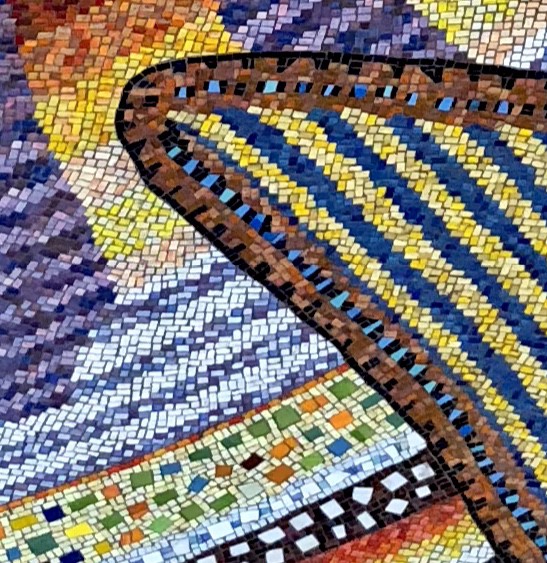
Kaleidoscopic in color and pattern. And you notice there’s an Atlantic vinyl record, too, tucked into the design. (It’s the black dot on the left side of the photo below.)
A closer look. | Photo: M. Yung
To your eye, Funktional Vibrations pulsates with life. “Bailey sees the work as speaking to the universal idea of creation and has created artwork that vibrates with energy,” according to an MTA website article. “(Bailey) refers to her accumulation of materials as in the tradition of African-American art—reflected in the music of the 60’s she grew up with—and its material culture and design, where one made do with what was available and made it into something new and wonderful.”
So that explains the Atlantic record, you think… an earlier era’s musical relic retrofitted for contemporary times. It fits perfectly—seamlessly even—into the mandala-like charms and spheres that vibrate all shape-shifty and cloud-like across the glass mosaic cosmos.
Bailey, originally an ethnomusicologist (here’s what that means!), worked in costume design before transitioning to fibers, specifically crochet, as noted by Manhattan’s Museum of Arts and Design. She is known best for her colorful crocheted hats and mandala design. Funktional Vibrations evokes that aesthetic, which observes African, Native American, and 70’s funk motifs.
So how does an artist who specializes in fibers transform her designs onto glass tile? With the assistance of mosaicist Stephen Miotto of Miotto Mosaic Studio in Carmel, NY. In fact, Miotto’s team have helped many artists selected by MTA’s Arts and Design Program craft and install their mosaic interpretations.
A detail shot of the outer wall surface. | Photo: M. Yung
You learn later that Funktional Vibrations includes a total of three—not two—mosaic installations by Bailey. You vow to return another time to photograph the third. For now, you revel in the vibrancy, the touch of the human hand, and the simple rush of this subway stunner.
Funktional Vibrations was worth the search. | Photo: K. Yung
I went to New York City with my daughter in 2019 for spring break. I’m still tripping out over the mosaics (and the tile work in general) that adorn the entire subway system. How did I not know about this underground art museum? Follow my blog for more posts on subway artworks.
Those spires. Those ledges. Those bluffs. Behemoths of weight and mass, rising from the high desert floor with quiet heft and bulk.
The space between them is as much a part of the experience as the monuments themselves. My perspective disintegrates. My awe overwhelms. There is no way to determine: how far is that from me? How much expanse between those mittens?
The valley appears surreal, other-worldly. The interior of a cave where the sky forms the walls.
I hear the purr of a single car traveling the dusty road, a red thread snaking in the distance. Other than that, nothing. Even the breeze is silent, its sound swallowed in the burnt sienna drapery of rocky canyon gowns.
The valley transforms me and I am small, insignificant, a dot of breath in the stillness.
We travelled to Monument Valley three years ago and I’m still thinking about it.
Click like if you enjoyed this piece and follow me for an occasional travel post. Also… I would love to hear about your own canyonland experiences. Feel free to comment!





































 Marilyn Yung