
Orientalism in Venetian Art
Orientalism in Venetian Art
Featured Photo by Cristina Gottardi on Unsplash
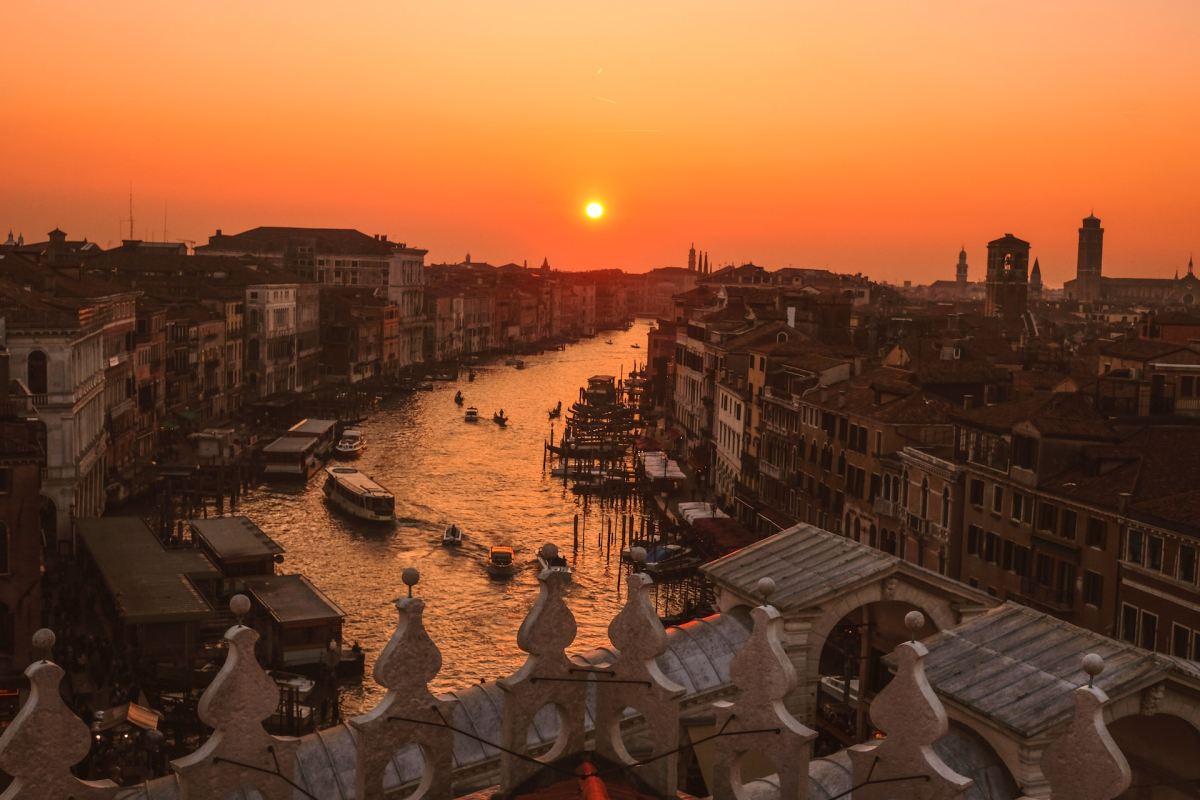
Orientalism in Venetian Art
Orientalism in Venetian Art
Featured Photo by Cristina Gottardi on Unsplash

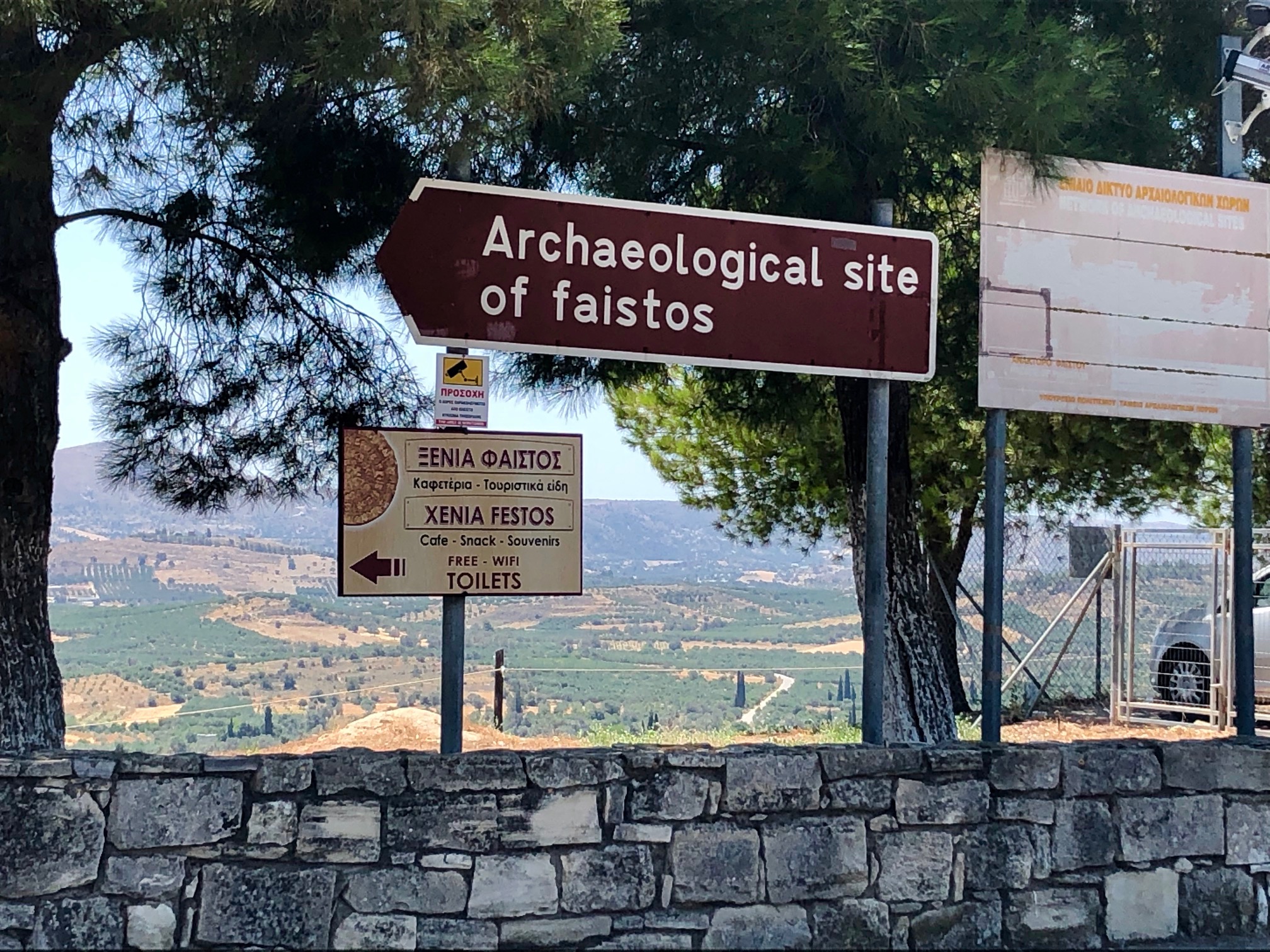
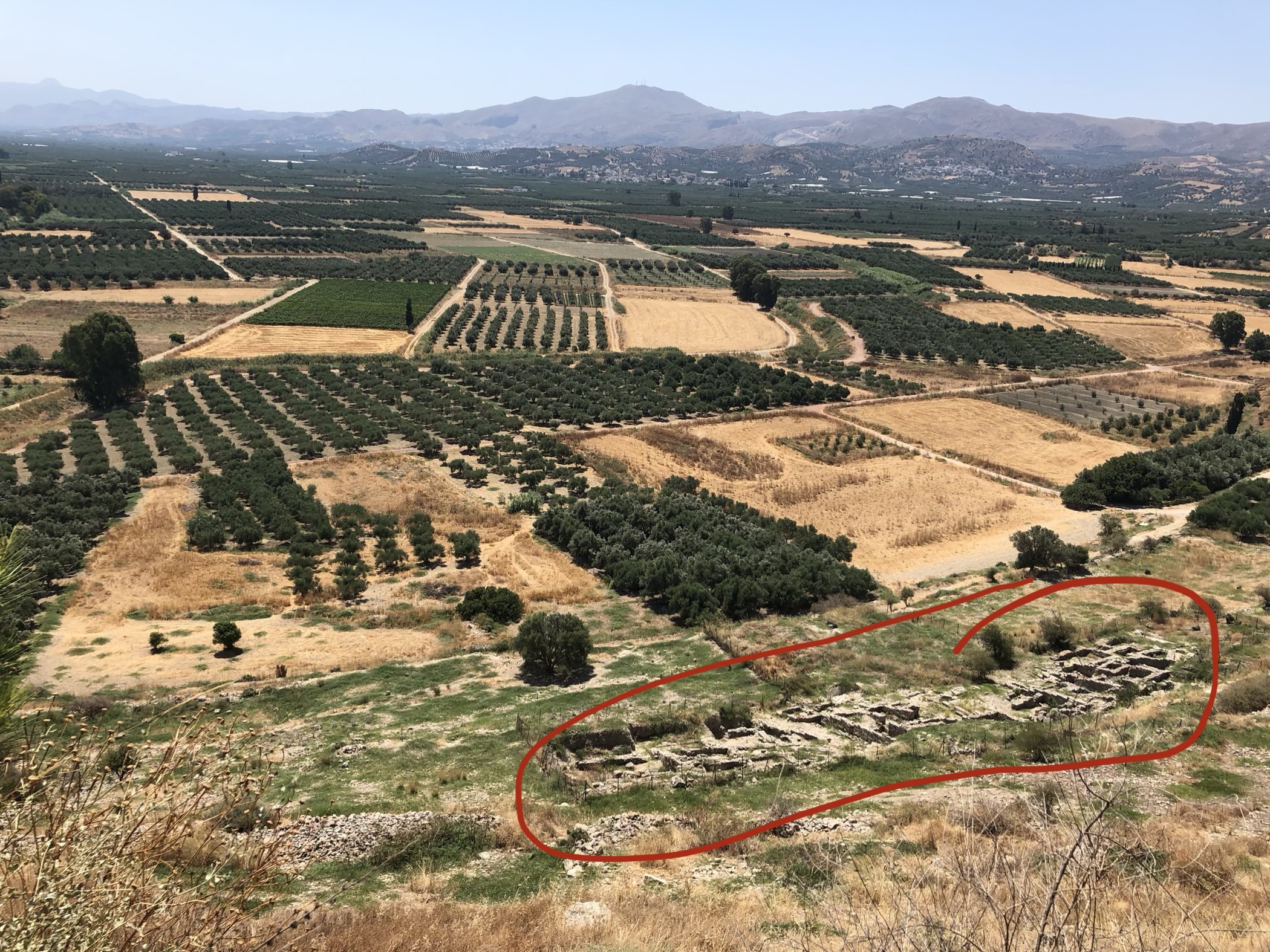
Phaistos. Phaestos. Festos. Faistos. And then in Greek, it’s spelled Φαιστός. No matter how you spell it, each name refers to Phaistos Minoan Palace, the second most important site (after Knossos Palace in Heraklion) of the Minoan civilization on the island of Crete.
We visited Phaistos last summer in late June. After touring the archaeological sites at Athens, Mycenae, Delphi, Olympia, and Knossos, we made a final stop at Phaistos. After a confusing morning journey by public bus from Heraklion, we made it to Phaistos in plenty of time to take a leisurely self-guided tour, eat a small lunch beneath a pine tree, and have a cold drink and ice cream in the small, on-site gift shop before hopping on a bus back to Heraklion. Here’s my post about how to get from Heraklion to Phaistos, click here.
If Minoans are new to you, here are a few facts about the culture from my husband:

A self-guided tour of Phaistos is relaxing and quiet. Unlike Knossos, there are no guides-for-hire who approach you as you enter offering to walk you through the site for a fee.
While these guides are likely very helpful for many tourists, we doubted that they were truly needed, considering the large number of detailed placards placed throughout the site. Granted, that assumes one doesn’t mind reading.

When you do stop to read the signs, you can learn a lot. Here are some basic facts taken from a placard found at the entry to the main site:


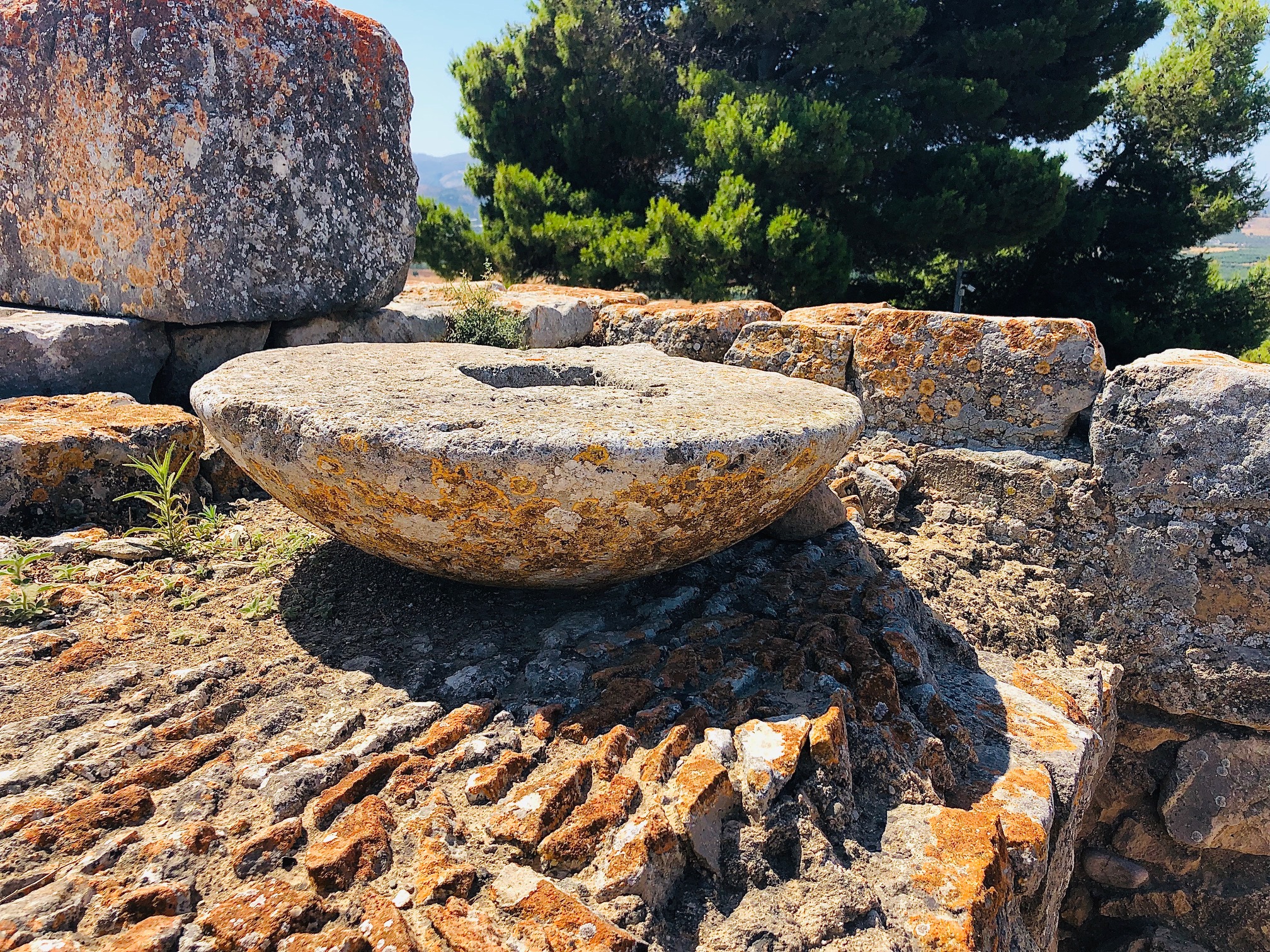
The main reason we wanted to visit Phaistos: the pithoi.

These pithoi (the singular word is pithois) are well-known in art history circles and Phaistos is considered the premier site for this particular kind of storage vessel. In fact, my husband hoped the site would have more available to see, as he had seen photos of many more pithoi on display here.

Still, it was fun to wander the grounds and find a pithois tucked away here and there. There were more to see in an area of the grounds covered with metal shelters; however, these shelters were in large areas closed off to visitors.

In fact, this was our main disappointment with Phaistos:

There was definitely a feeling that Phaistos is overlooked and forgotten.
Generally, Phaistos seemed neglected. And this isn’t really surprising, considering Greece’s other economic priorities.
True, due to its location, Phaistos sees fewer visitors than other more popular Greek archaeological sites. In fact, Phaistos doesn’t even make this Top 20 list of Greek ruins.

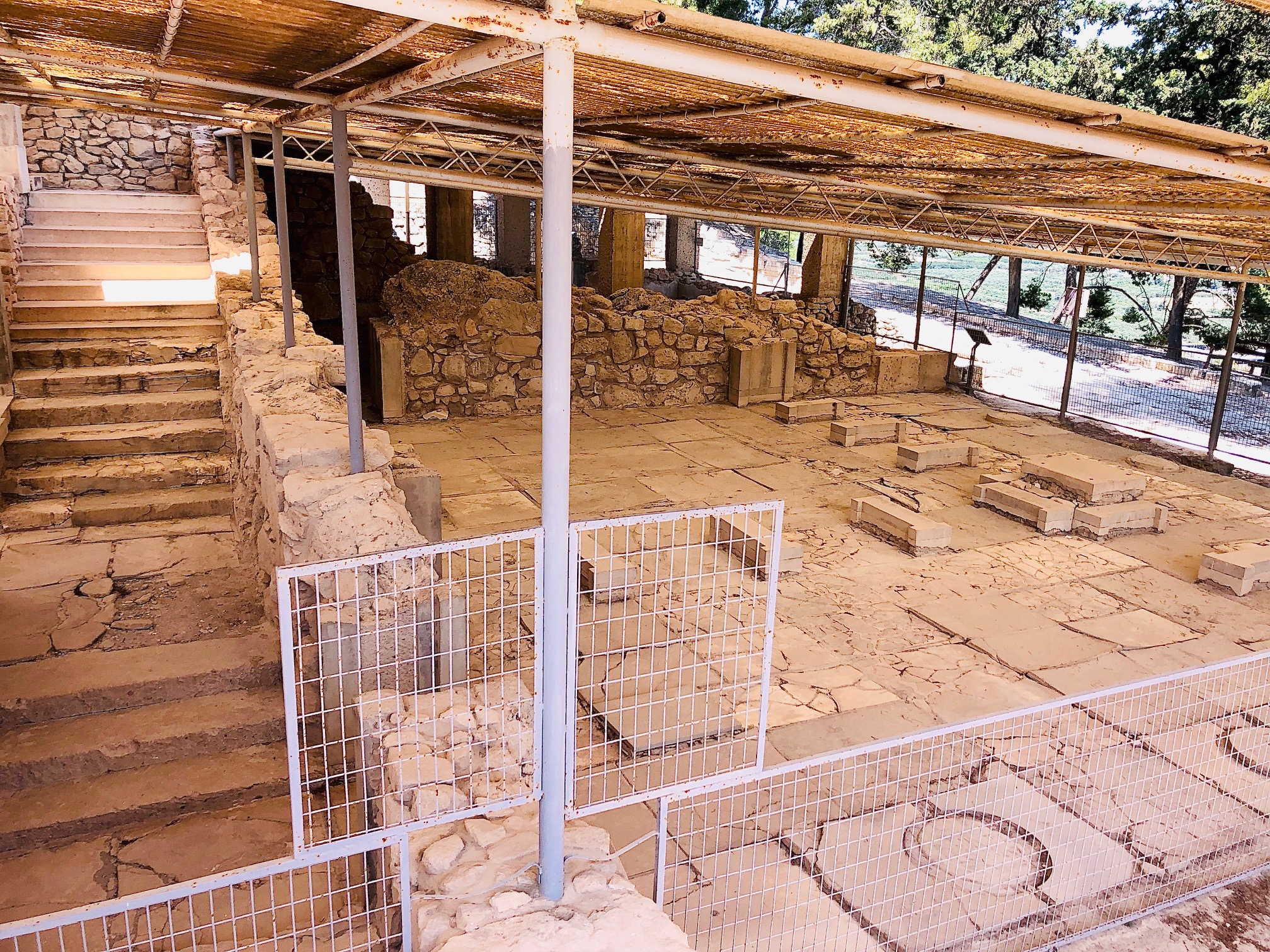
The Phaistos Minoan Palace reminds us that we shouldn’t underestimate the abilities and ingenuity of ancient cultures. For example, precisely placed stairs and drainage pipes made of solid stone show us the resourcefulness of the Minoans.




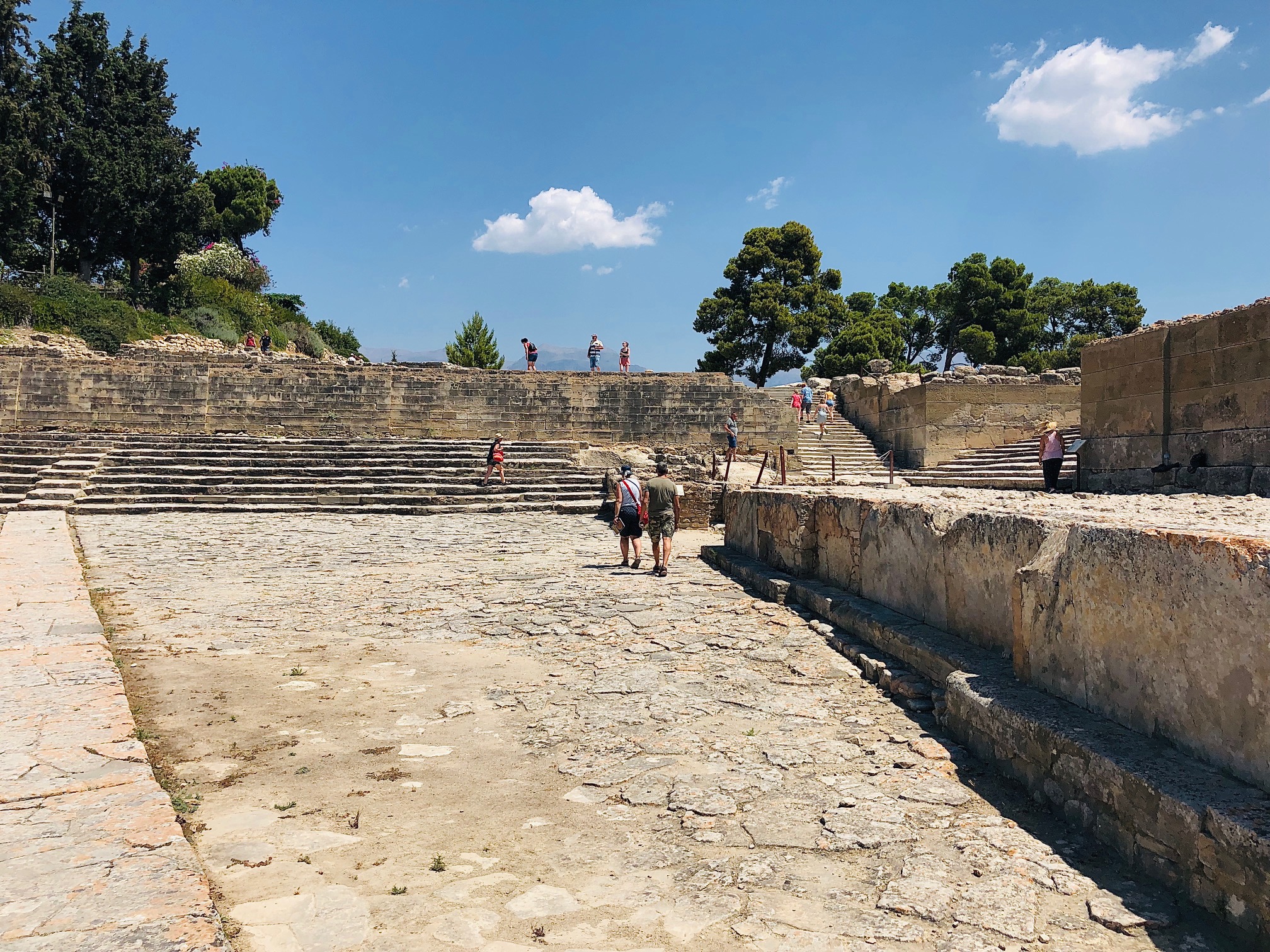
It was a beautiful sunny day when we visited Phaistos. In fact, by early afternoon, we were ready to hop on an air-conditioned bus and make the trip back to Heraklion.


Mysteriously, no one knows for sure the reasons for the collapse of Minoan culture, including the civilization at Phaistos.
Perhaps that’s a fitting conclusion for this archaeological site that today is still out-of-the-way, obscure, and famous.
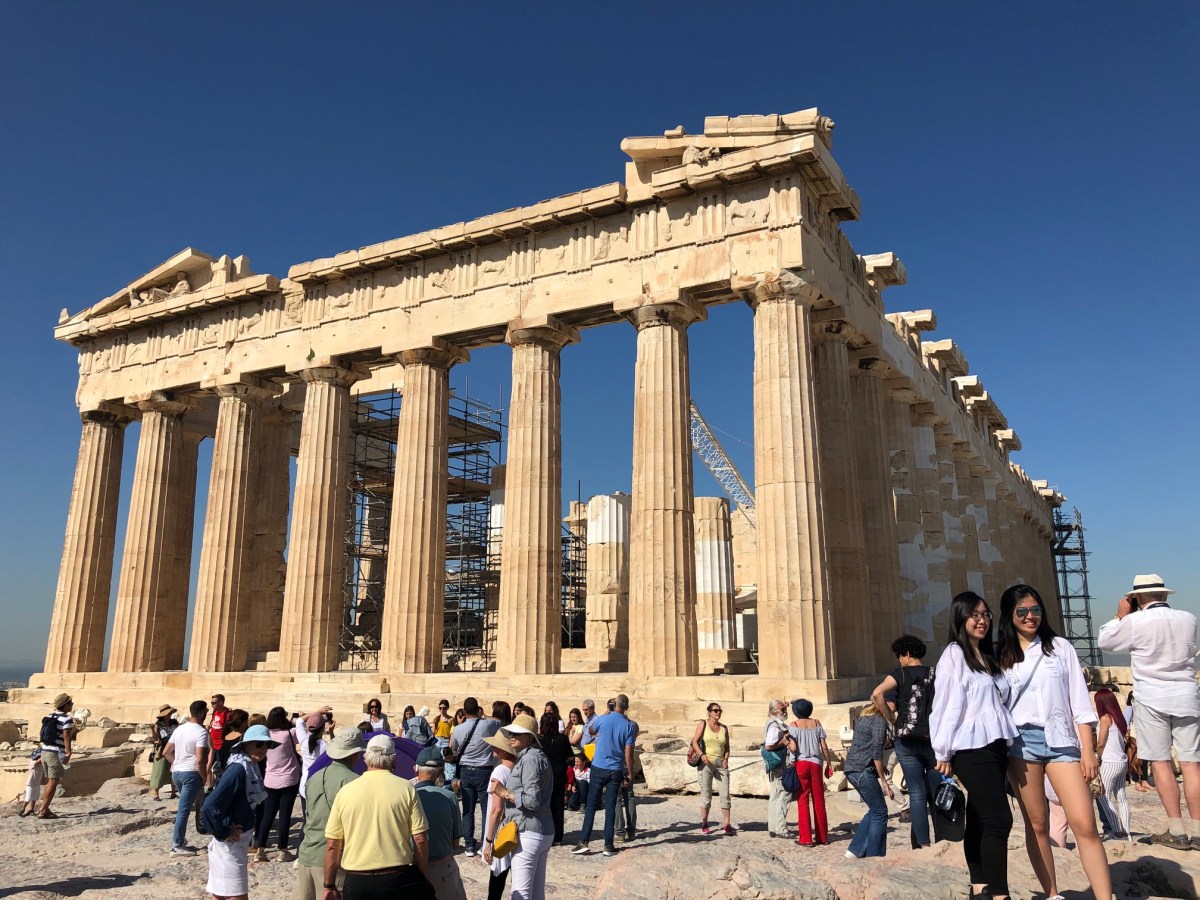
When you visit The Acropolis during the summer months, expect crowds. In fact, The Acropolis hosts more than 2.5 million visitors from January through October. However, despite those crowds, expect to enjoy quiet moments for gazing at and studying the historic wonders that exist there.
Yes, you will observe the construction work site that is the Acropolis,…
That’s me striding off to the right. Notice the crane and scaffolding around the Parthenon. This is a giant construction zone.
…but you will also observe a global audience entranced by ancient history. Whether they arrive alone, with a spouse or friend, their family, or an entire tour group, nearly everyone here is a history fan. Yes, perhaps the itinerary stop is one they can’t opt out of; however, once on the hallowed site, I would dare to say their reticence evaporates.
Even if you don’t know much about Greek history and ancient architecture, there are many detailed signs at The Acropolis with illustrations and diagrams to inform you about what you’re seeing.
For your €20 ticket, you can walk the grounds considered holy by the ancient Athenians.
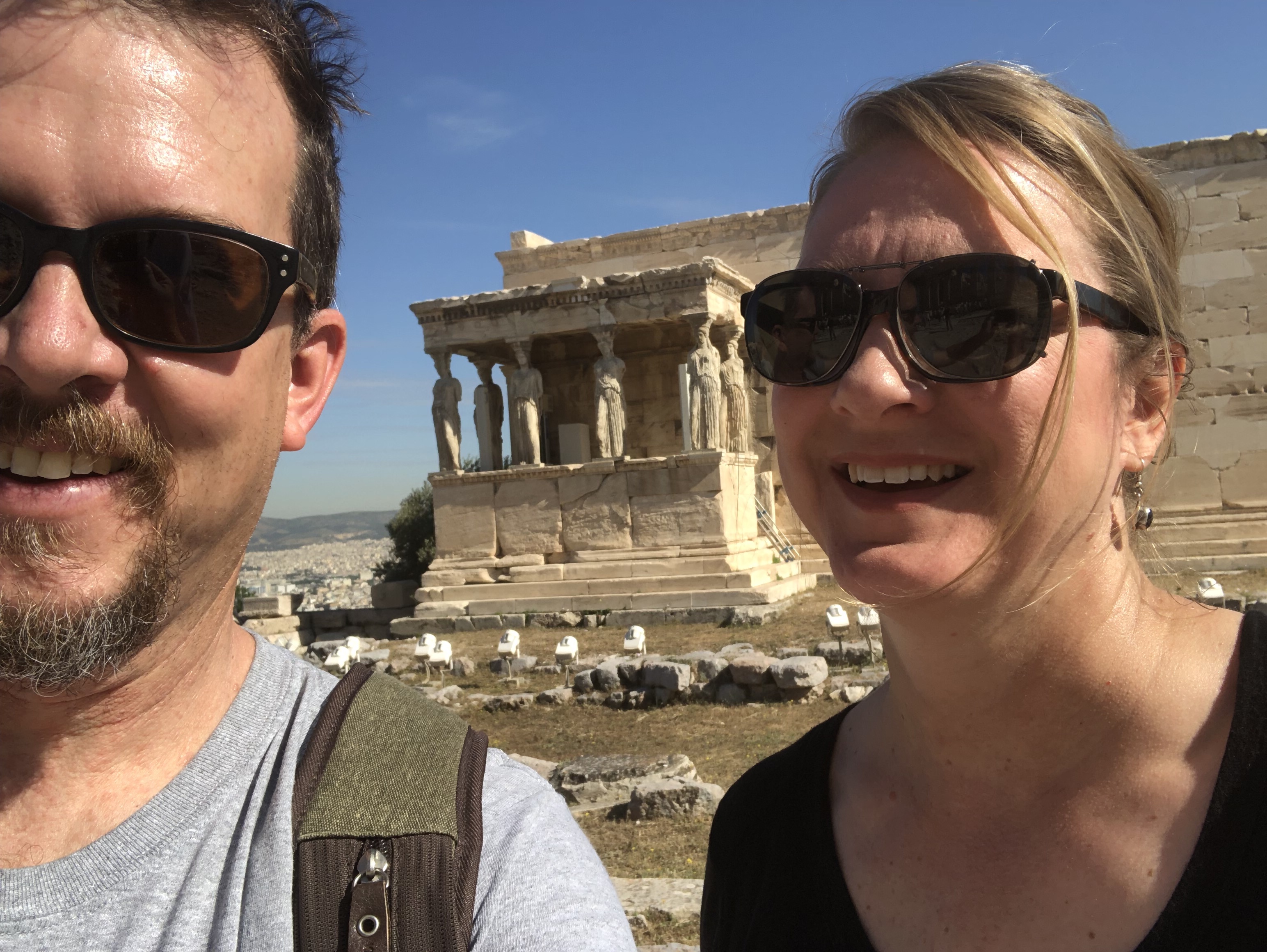
My husband and I were enthralled with the Erechtheion and it’s caryatids, the columns in the forms of female figures.
When my husband and I visited The Acropolis in late May, it was crowded, but I supposed it could have been busier. We approached The Acropolis from the Plaka neighborhood to the south, taking some back streets that slowly ascended as we neared the hilltop.

Small restaurants, tavernas, and boutiques lined the terraced, tree-covered lanes and stone and marble-paved thoroughfares of the Plaka neighborhood.
Once we reached the Acropolis entrance gates, we blended into the line that was forming and seemed to be made up mostly of tour groups. The tour group line eventually veered from our path, since their ticketing arrangements had already been prepared. We, however, remained in the line and inched our way toward the ticket booth.
I looked around at the international variety of people. A party of four ahead of us in line consisted of a husband and wife, their small child, plus one other man.
The husband asked whether a student discount was available off the 20 Euro ticket price. The ticket clerk indicated that yes, he would receive a discount if he provided a college identification card.
“Mine is from a college in England and my friend goes to school in Chile,” the husband said.
“That’s fine,” the clerk replied in his Greek-inflected English. The two men showed their student cards, received tickets for the entire group and sped along.

We quickly purchased our two adult tickets and entered the gate.
Those who entered with us included families, empty-nesters, retirees, young solo travelers, teenagers. The mix of languages babbled across the grounds: Greek, German, English, French, Chinese, Italian, and others I couldn’t identify.
In the roaming clusters of people navigating their steps over the marble walkways and ledges, I spotted a young man wearing a Texas Christian University t-shirt, a woman in a billowy sundress covered in a pattern of crimson roses and greenery.
I noticed a child in a black tank with a metallic gold Nike logo. I smiled at the irony: here we were, at the palace where Athena, the goddess of wisdom and war, once held Nike in her hand.
Over the course of the day, thousands of sight-seers inched up the ancient ramp of The Propylaea, the renowned entry to the very top of The Acropolis and its Parthenon, Erectheion and the Temple Athena Nike.
Once they reached the top, it was gratifying to see that all those travelers were not expecting to see a performance, ride a roller coaster or experience any other type of attraction. Those travelers had journeyed from across the globe to simply experience history.

Our visit to Delphi was our favorite single day of our six-week Greek odyssey. Once we figured out the Greeks pronounce the divine destination “Delfie, as if to rhyme with selfie, we settled in and fully enjoyed our day.
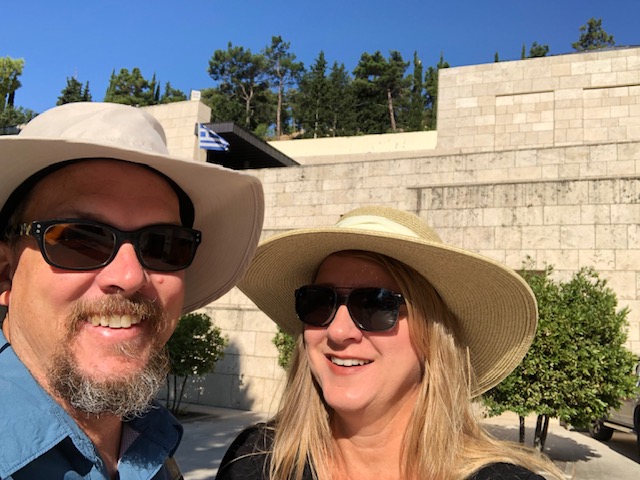
So… I think it made perfect sense to attempt a Delfie selfie today when we visited the archaeological wonder. I don’t take many selfies (and by that I mean as few as possible), but this post includes two or three to take care of the issue for awhile.
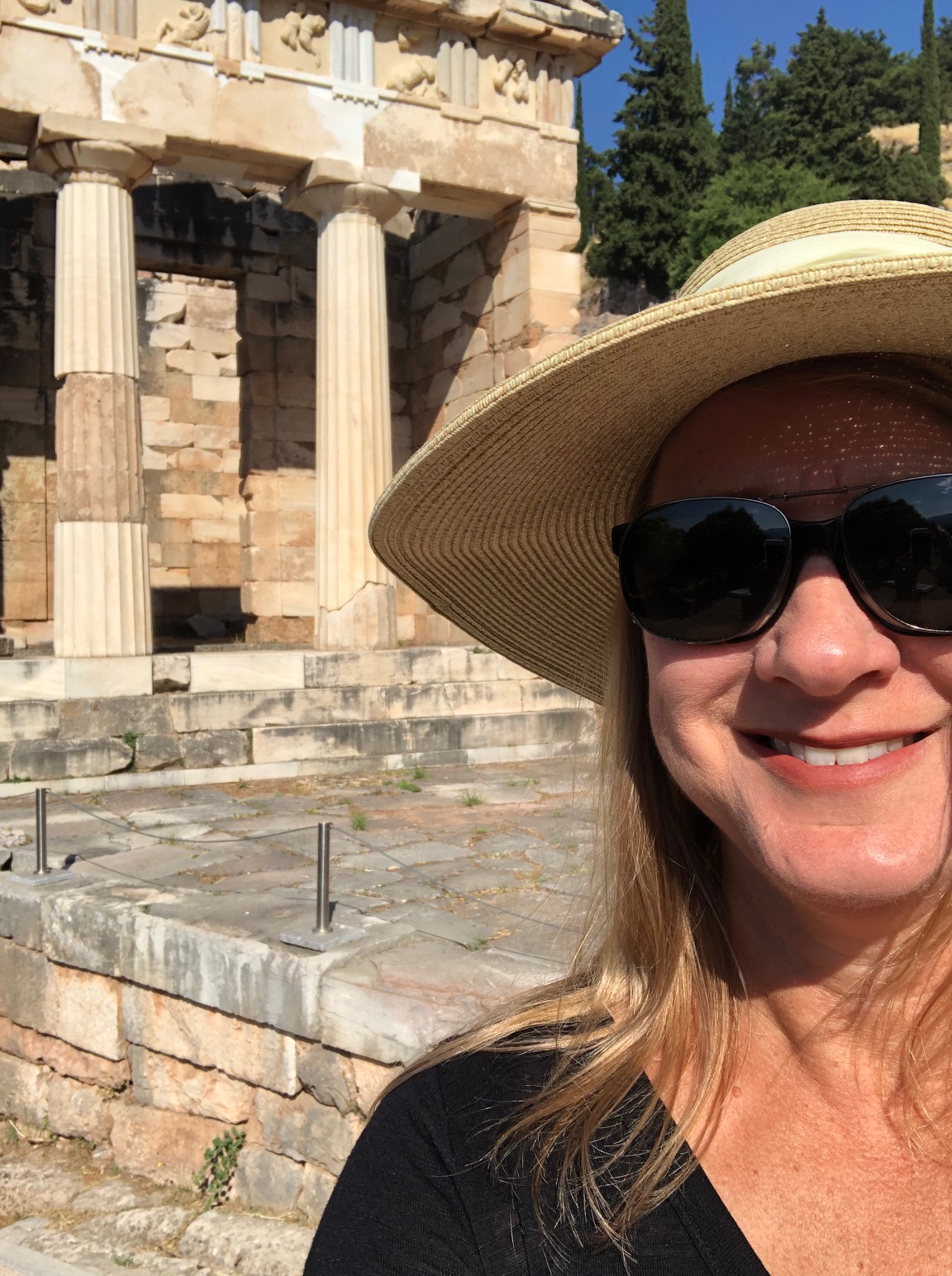
When we added Delphi to our list of must-see attractions, I had no idea we would be scouring over a steep mountainside full of pine and cypress trees. In fact, this is snow skiing country. The next town over, Arachova, offers skiing during the winter months. I guess I just didn’t realize how “Alpine” the Delphi would feel.

In a sentence or two, “Delphi could be described as a religious complex centered around the Oracle of Delphi that was located in the Temple Apollo,” according to a book we bought, Delphi and Its Museum, by Panos Valavanis. Delphi flourished during the Archaic and Classical period of Ancient Greece, roughly from the 6th – 4th centuries BC.
On the UNESCO World Heritage site placard near the entrance to the grounds, it reads:
“The archaeological site of Delphi is Panhellenic sanctuary with an international fame. Its remnants represent some of the foremost events of art and architecture. The sanctuary, which combines in a unique manner the natural and historical environment, is related to numerous, key events of Greek history that have an impact on the progress of civilization.”
It continues: “Inscription on this List confirms the outstanding universal value of a cultural or natural property which deserves protection for the benefit of all humanity.”
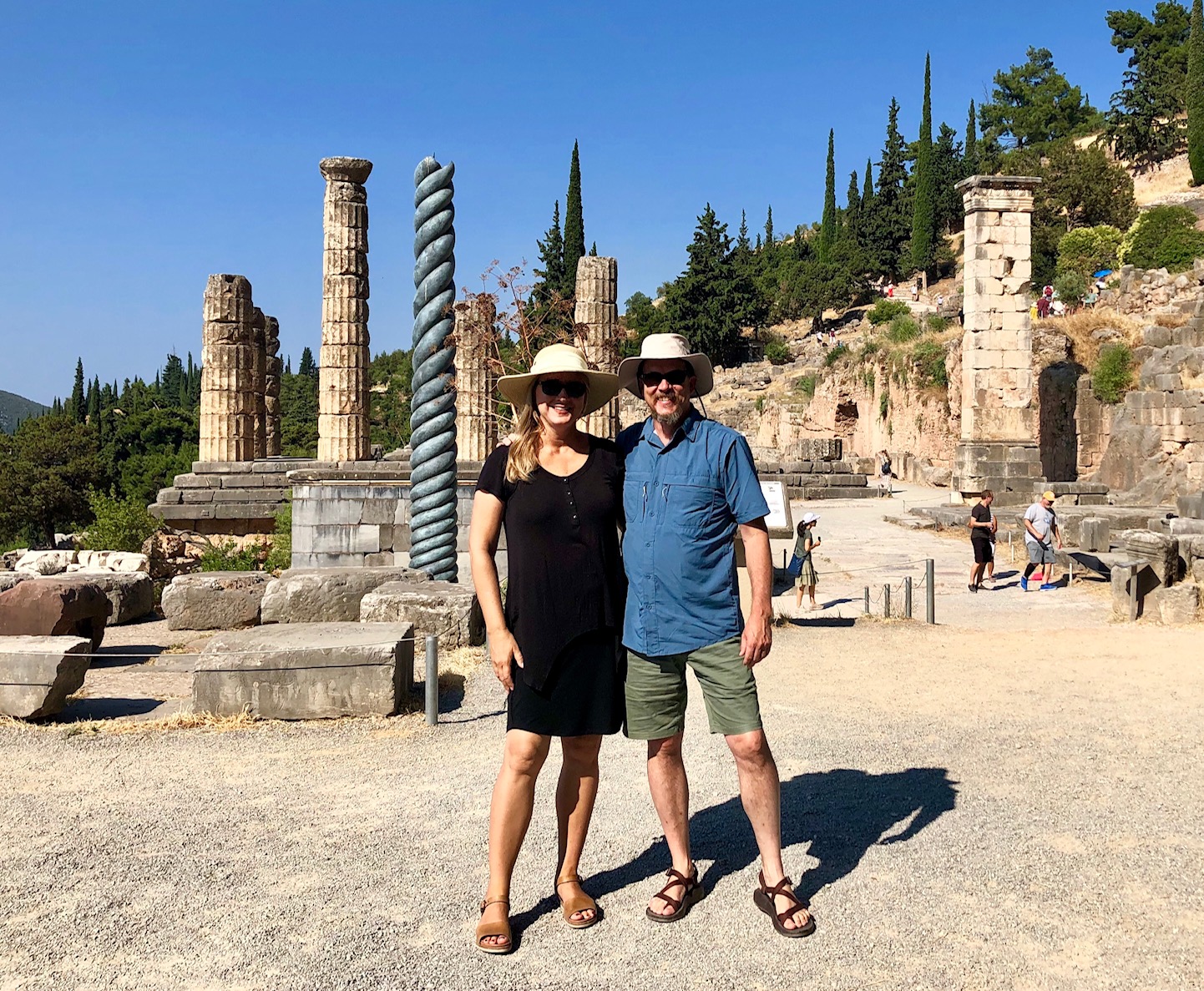
However, besides all these major sites, there are numerous other objects, foundations, walls, and monuments to distract and fascinate you. And don’t forget the magnificent natural beauty of the place.

We took so many pictures at Delphi today that there’s NO WAY I could post them all. Here are a fraction of the photos we took at both the archaeological site and at the museum.
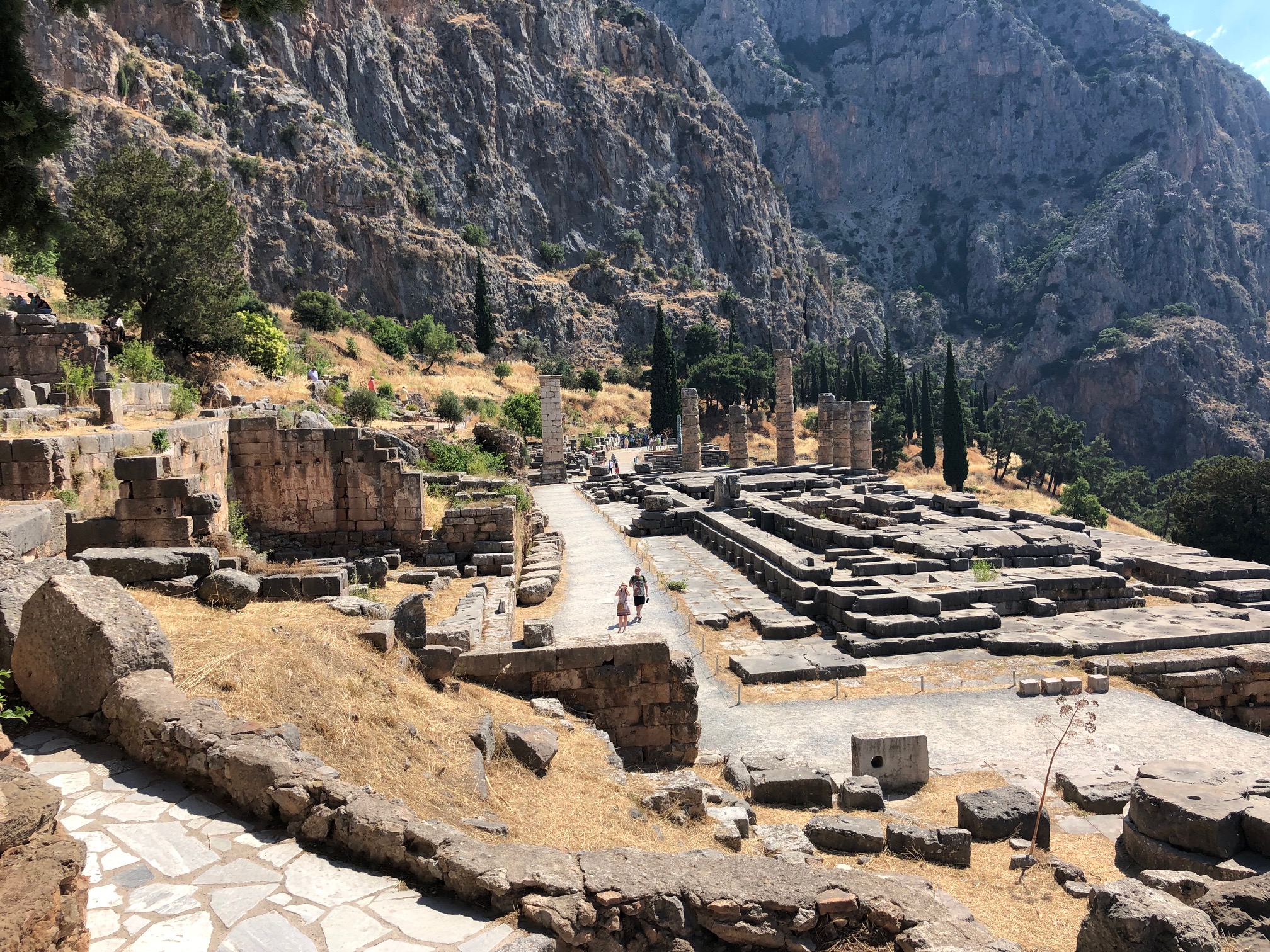
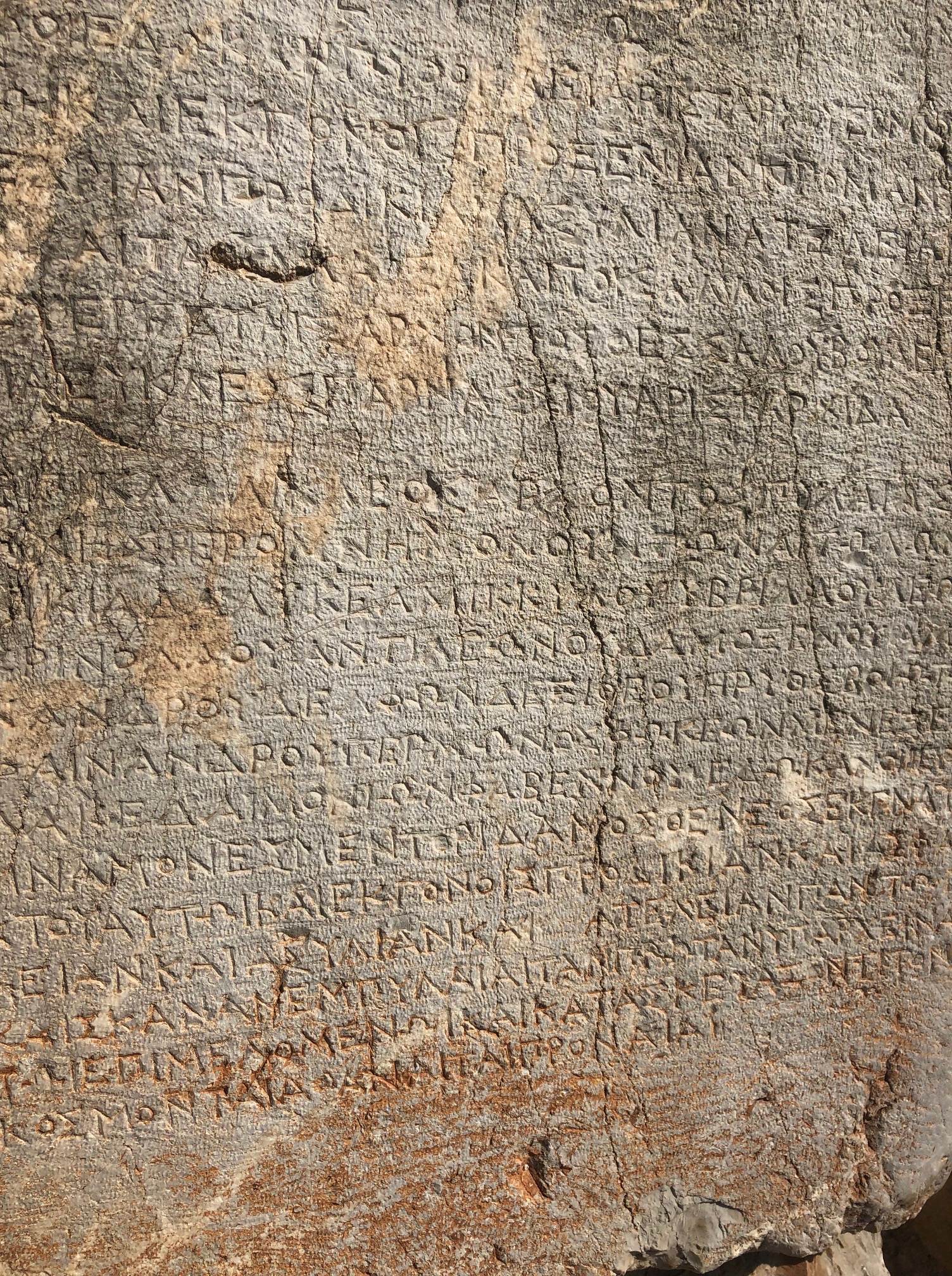


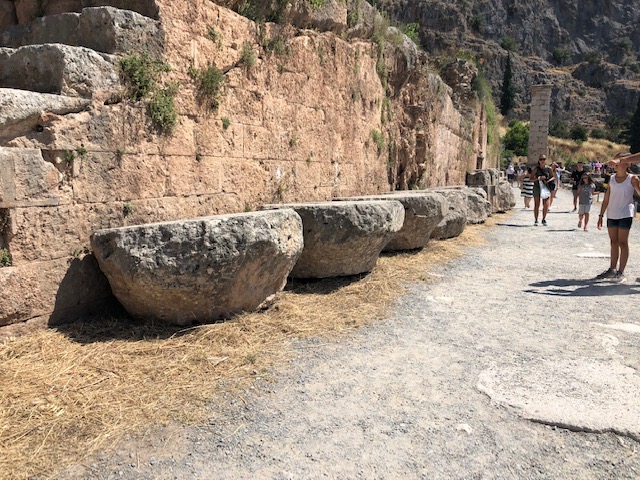
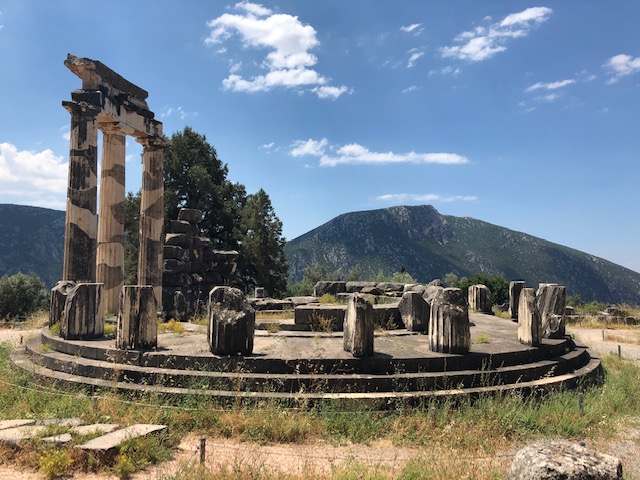

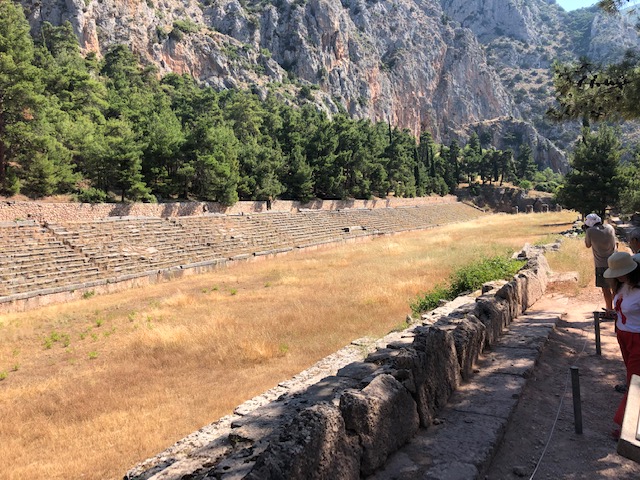
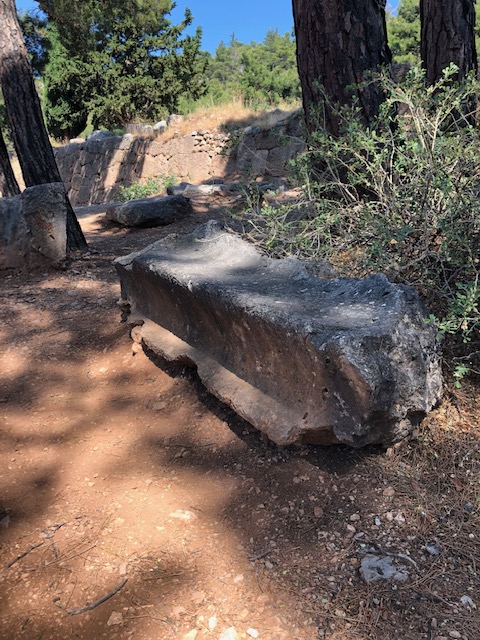

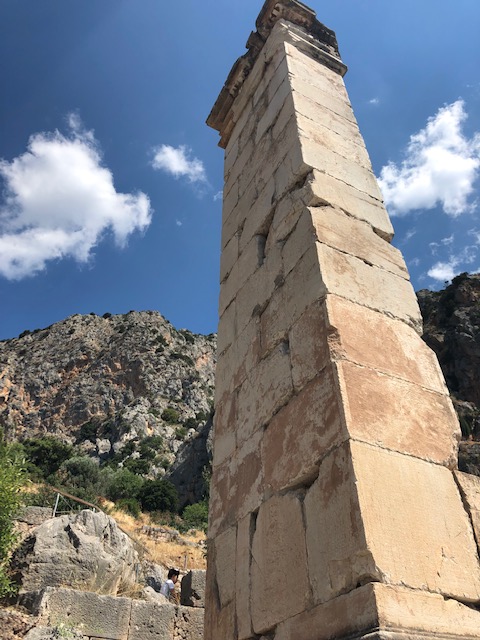


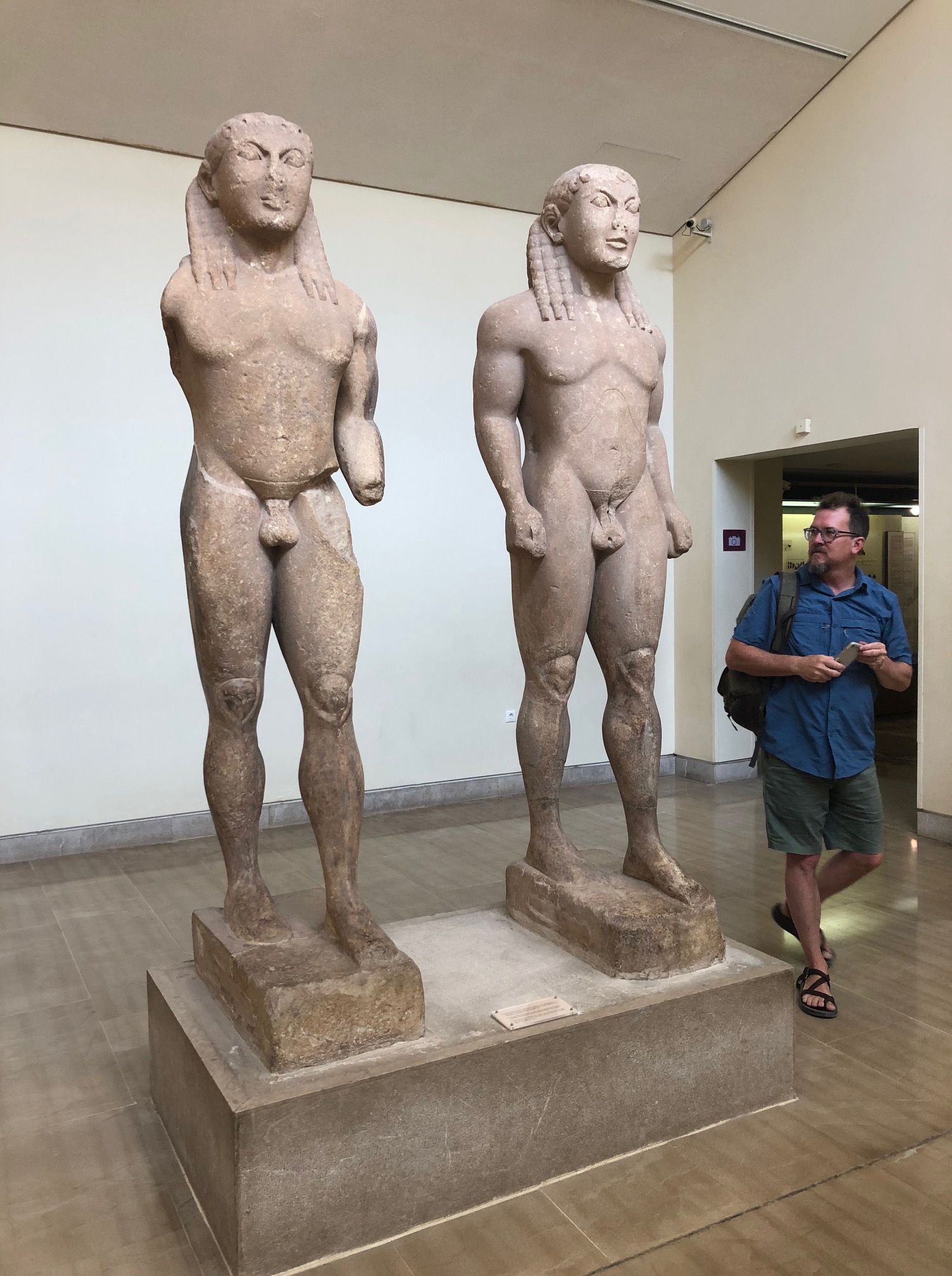
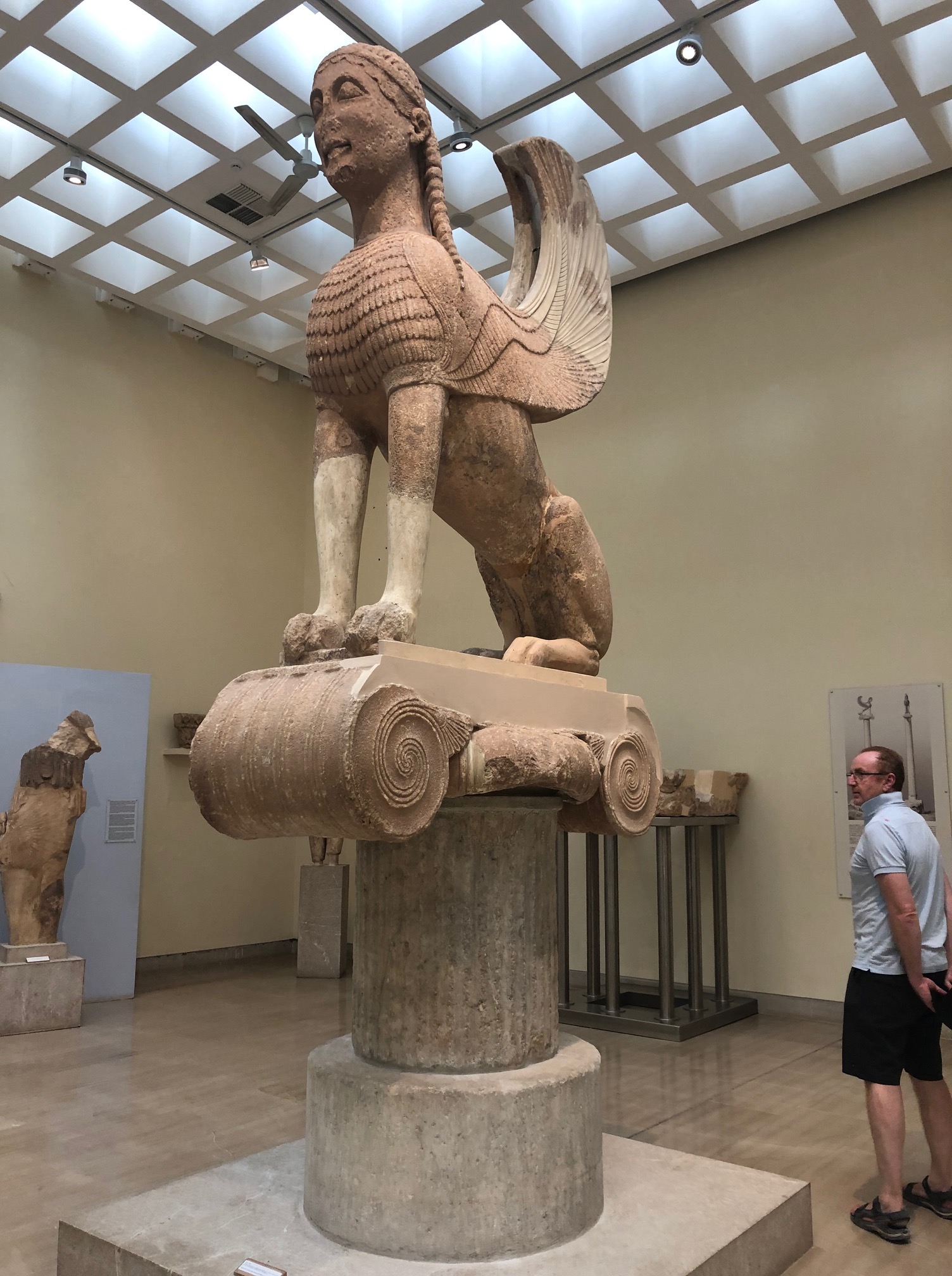


We spent about four-plus hours total touring the archaeological sites and the museum. We started in about 9 a.m. and finished up around 1:30 p.m. The weather was very warm, but very nice in the shade.
We had about an hour before the tour buses arrived, so the sites really weren’t that crowded. And because many if not most people don’t go down to the Tholos of Delphi and the Sanctuary of Athena (which are located down the hill and separate from the main complex), we felt like we had a very thorough visit.
Are we forgetting the Holocaust?
I asked myself this question recently as I perused an English Language Arts curriculum map for grades 6–8 and found that out of dozens of texts the curriculum uses over the three years, only one text addressed or had any connection to World War II: Unbroken by Laura Hillenbrand. However, this book, while an excellent and necessary text, does not focus on the Holocaust; instead, it depicts Japan’s brutal treatment of American POWs during wartime.
The curriculum map I browsed through recently is commonly known to teachers as Engage New York. It is more accurately called EL Education, formerly known as Expeditionary Learning, an open educational resource that can be accessed at no cost online. It is a rigorous Common Core curriculum that “supports teachers in making the transition to Common Core instruction,” according to this informational brochure.
I’m afraid the omission of Holocaust literature from this curriculum means we are forgetting one of history’s most horrific sins.
In March, research firm Schoen Consulting revealed the results of a “Holocaust Knowledge and Awareness Study” commissioned by The Conference on Jewish Material Claims Against Germany, New York, NY. Major findings of the survey revealed:
· Seven out of ten Americans say fewer people seem to care about the Holocaust than they used to
· Nearly 31 percent of all Americans and 41 percent of Millennials believe that substantially fewer than six million Jews were killed (two million or fewer) during the Holocaust
· 45 percent of all Americans and 49 percent of Millennials cannot name a single concentration camp or ghetto of the 40,000 that existed
In fairness, the Engage New York middle school ELA curriculum does list other grievous events in world history. The curriculum contains a diverse range of texts. For example, A Long Walk to Water by Linda Sue Park chronicles the life of Salva Dut, a “lost boy” refugee fleeing the war in South Sudan. Inside Out & Back Again by Thanhha Lai tells the story of Ha, a ten-year-old Vietnamese girl forced to flee the violence of her home country to find refuge in the United States. Narrative of the Life of Frederick Douglass recounts the hardships and dehumanization in the slavery system of the American South.
And yes, perhaps placing emphasis on these other events adds greater relevancy to classroom discussions of oppression. Students can, after all, livestream discussions with Salva Dut. Also, some middle schoolers have grandparents and great-grandparents who may have fought in Vietnam. The effects of American slavery are still reverberating in our current racial divisions and controversies. In contrast, very few Holocaust survivors are alive today. I’m sure that in the minds of many kids, the Holocaust is ancient history.
However, studying the Holocaust is necessary. And I’m glad there is at least one Holocaust-oriented text in Engage New York’s ELA & Literacy Curriculum for grades 9–12: Wiesel’s Nobel lecture, “Hope, Despair and Memory.”
Without doubt, the inhumane intention, shocking magnitude, and cold machinations of Nazi Germany reveal humanity’s darkest side. We must learn from the Holocaust to prevent its reoccurrence. As Wiesel wrote in his lecture, “Remembering is a noble and necessary act. The call of memory, the call to memory, reaches us from the very dawn of history…It is incumbent upon us to remember the good we have received, and the evil we have suffered.”
Here’s another major finding from the Holocaust Knowledge and Awareness Study: a majority of Americans (58 percent) believe something like the Holocaust could happen again. I fear that if students don’t read about the Holocaust, it will be forgotten, and could likely reoccur.
In case you’re wondering why an English teacher is teaching history, it’s really a very common approach educators take to teach literacy skills. It’s necessary to provide a context within which language arts skills — reading, writing, speaking and listening — can be taught. Comma worksheets don’t engage students; real-world events do.
Featured Photo Credit: Unsplash

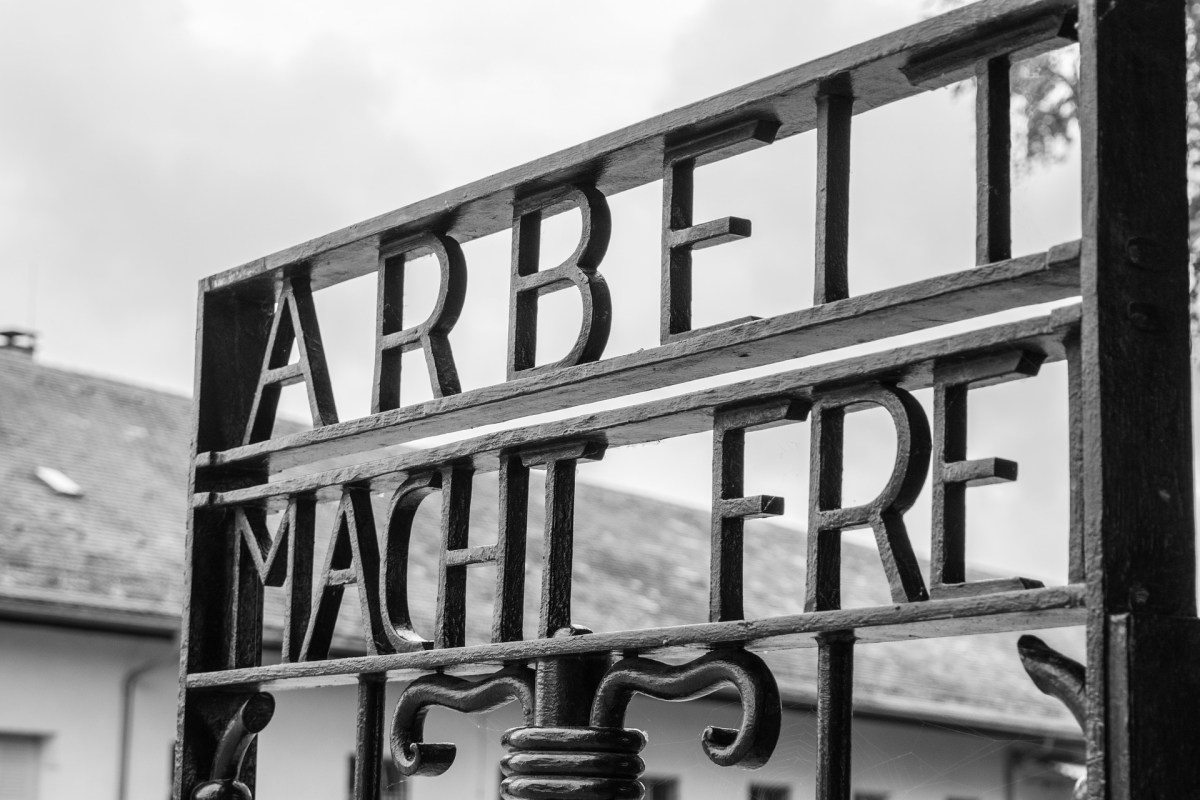
 Concentration camps, including Auschwitz, posted these words: Work sets you free. | Photo: Pixabay
Are we forgetting the Holocaust?
I asked myself this question recently as I perused an English Language Arts curriculum map for grades 6-8 and found that out of dozens of texts the curriculum uses over the three years, only one text addressed or had any connection to World War II: Unbroken by Laura Hillenbrand. However, this book, while an excellent and necessary text, does not focus on the Holocaust; instead, it depicts Japan’s brutal treatment of American POWs during wartime.
The curriculum map I browsed through recently is commonly known to teachers as Engage New York. It is more accurately called EL Education, formerly known as Expeditionary Learning, an open educational resource that can be accessed at no cost online. It is a rigorous Common Core…
View original post 568 more words

My daughter understood the devastation and the loss of that day. As for myself, I have noticed a diminishing sadness when I contemplate September 11. It seems the shock has softened some for me, to be honest. I don’t notice the empty New York City skyline like I used to. When I watch an old movie with the Twin Towers in the skyline, I notice their absence, but it doesn’t catch my breath like it used to, and it bothers me that the event is becoming “historical”… in the distant past.

Of course, for those who lost loved ones on that day, it’s a different story. 2001 may still be as near to them as the last intersection they drove through. I understand that for many, September 11 lingers near.
It’s still frustrating and difficult to explain what we experienced that day to people who are either too young to remember or weren’t even born yet. I’ve been trying to explain it for the past sixteen years, but still can’t convey the sorrow and shock of that day.I suppose it’s similar for those who were alive when President Kennedy was assassinated. I was born two years before that awful event, and I’m sure many had a difficult time trying to explain that to those of my age. For me, it was just relegated to being “historical”… in the distant past.
I do talk about the September 11 attacks with my eighth-grade English Language Arts classes, and discussing it every year does keep the event in the forefront of my mind in the fall.
Every year, we watch “The Center of the World,” the last disc in the eight-DVD series “New York: The Documentary.” It’s directed by Ric Burns of Steeplechase Films. The documentary eloquently conveys the horror of the day, the response of New York City and the nation, and a recognition that, although our collective soul was irrevocably altered in the span of a few hours, the United States of America will prevail. It’s my hope that this excellent film relates better than I can that September 11 is relevant and important, not merely “historical”… in the distant past.

 Marilyn Yung